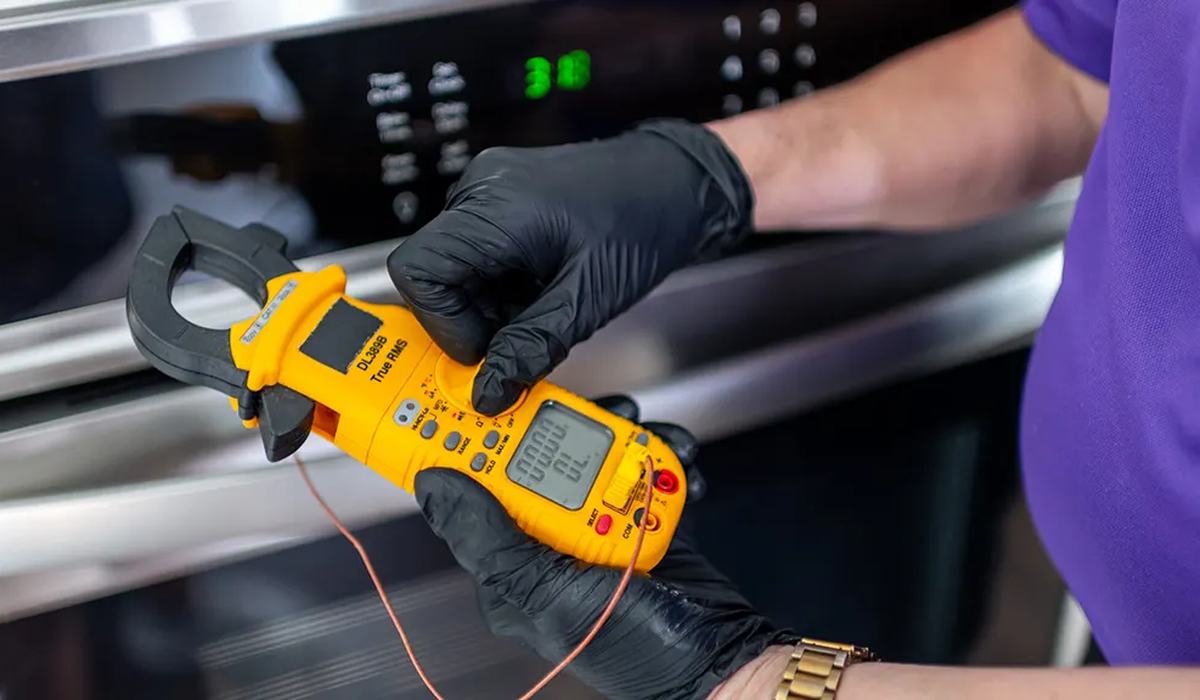
A surprising number of 'dead appliance' calls end with a tripped GFCI outlet, not a broken appliance. GFCI outlets protect kitchens, bathrooms and garages, and when they trip — or fail — everything downstream loses power. A GFCI tester tells you in seconds whether the outlet is the problem.
This guide explains what a GFCI tester checks, how to read its lights, and three testers worth owning.
- What it checks: correct wiring, ground, and whether the GFCI trips and resets.
- Best overall: a GFCI tester with a trip button and a clear light legend.
- Best combo: a tester that also checks AFCI and standard outlets.
- Best budget: a basic three-light receptacle tester under $15.
- First step on any dead appliance: test the outlet before opening the appliance.
What a GFCI tester checks
| Test | What it confirms | Why it matters |
|---|---|---|
| Wiring | Hot, neutral and ground are correct | Reversed wiring can damage appliances |
| Ground | A valid ground path exists | Safety and correct operation |
| GFCI trip | The outlet trips when tested | Protects against shock |
| GFCI reset | The outlet resets after tripping | A stuck GFCI kills the circuit |
| Voltage | Power is present | Confirms the circuit is live |
The most common finding is a GFCI that trips but will not reset. That usually means the outlet itself has failed, or there is a ground fault on the circuit. Either way, the appliance is not the problem.
Reading the lights
Most GFCI testers use a legend of lights to indicate the fault. The exact pattern varies by model, but the common readings are:
| Light pattern | Meaning | Action |
|---|---|---|
| All correct | Outlet wired correctly | Outlet is fine |
| Open ground | No ground path | Check the ground wire |
| Open neutral | Neutral is broken | Check the neutral connection |
| Open hot | No power to the outlet | Check the breaker |
| Hot/neutral reversed | Wires swapped | Correct the wiring |
| GFCI will not trip | Outlet has failed | Replace the GFCI |
If the tester's trip button does not trip the GFCI, the outlet is not providing shock protection. Replace it — do not keep using it.
The 3 best picks
| Model | Type | Best for | Approx price |
|---|---|---|---|
| Klein RT210 | GFCI + standard | Best overall | ~$25 |
| Southwire 40020S | GFCI + AFCI | Best combo | ~$35 |
| Sperry HGT6120 | Basic receptacle | Best budget | ~$12 |
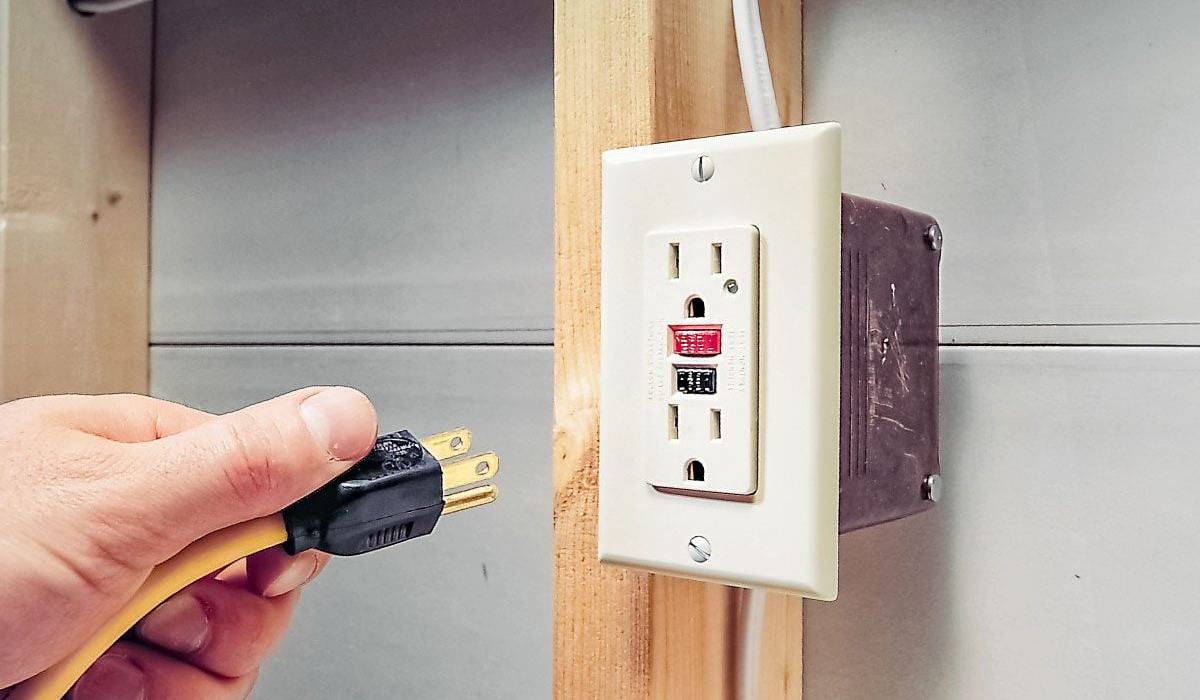
Klein RT210 — best overall
Tests standard and GFCI outlets, trips the GFCI to confirm protection, and shows the fault with a clear light legend. The tester most techs carry.
Check Price on Amazon →Southwire 40020S — best combo
If you work in newer apartments with AFCI breakers, this tests both. Useful for diagnosing nuisance trips on modern circuits.
Check Price on Amazon →Sperry HGT6120 — best budget
A simple three-light tester for wiring and ground checks. It does not trip a GFCI, but it costs under $15 and fits in any toolbox.
Check Price on Amazon →Using it on a repair call
- Test the outlet first on any 'dead appliance' complaint.
- Press the GFCI test button to confirm it trips, then reset it.
- Check the light legend against the chart above.
- If the GFCI will not reset, replace the outlet before touching the appliance.
- Check other outlets on the circuit — a single GFCI can protect several.
- Keep one in your tool bag — it saves a wasted appliance diagnosis.
A GFCI tester costs under $30 and diagnoses the outlet in seconds. Test the outlet before opening any appliance, confirm the GFCI trips and resets, and replace a GFCI that will not trip. The Klein RT210 is the best all-rounder.