Appliance screws are usually soft, small and tight. Use the wrong size driver and you round out the head, which turns a simple repair into a struggle. The right set has the exact sizes appliances use, in hardened steel that grips instead of slipping.
This guide covers the sizes that matter and three sets worth owning.
- Most-used sizes: Phillips #1 and #2, flat 3/16 and 1/4 in.
- Also needed: a small Phillips #0 for control panels.
- Best overall: a set with hardened tips and a magnetic holder.
- Best for tight spaces: a stubby or offset driver.
- Skip: cheap sets with soft tips that round out screws.
The sizes you need
| Size | Used for | Frequency |
|---|---|---|
| Phillips #2 | Most panel and cover screws | Very common |
| Phillips #1 | Small screws, brackets | Common |
| Phillips #0 | Control panels, boards | Occasional |
| Flat 3/16 in | Terminals, clips | Common |
| Flat 1/4 in | Larger terminals | Occasional |
| Torx T20 | Some newer appliances | Occasional |
Using a Phillips #2 on a #1 screw rounds the head. Appliance panels often mix sizes, so a set with #0, #1 and #2 covers almost everything. Check the fit before you turn.
The 3 best picks
| Set | Pieces | Best for | Approx price |
|---|---|---|---|
| Wera Kraftform | 7 | Best overall | ~$45 |
| Klein Tools 8-in-1 | 8 | Best value | ~$25 |
| Wiha Precision | 12 | Best for small screws | ~$40 |
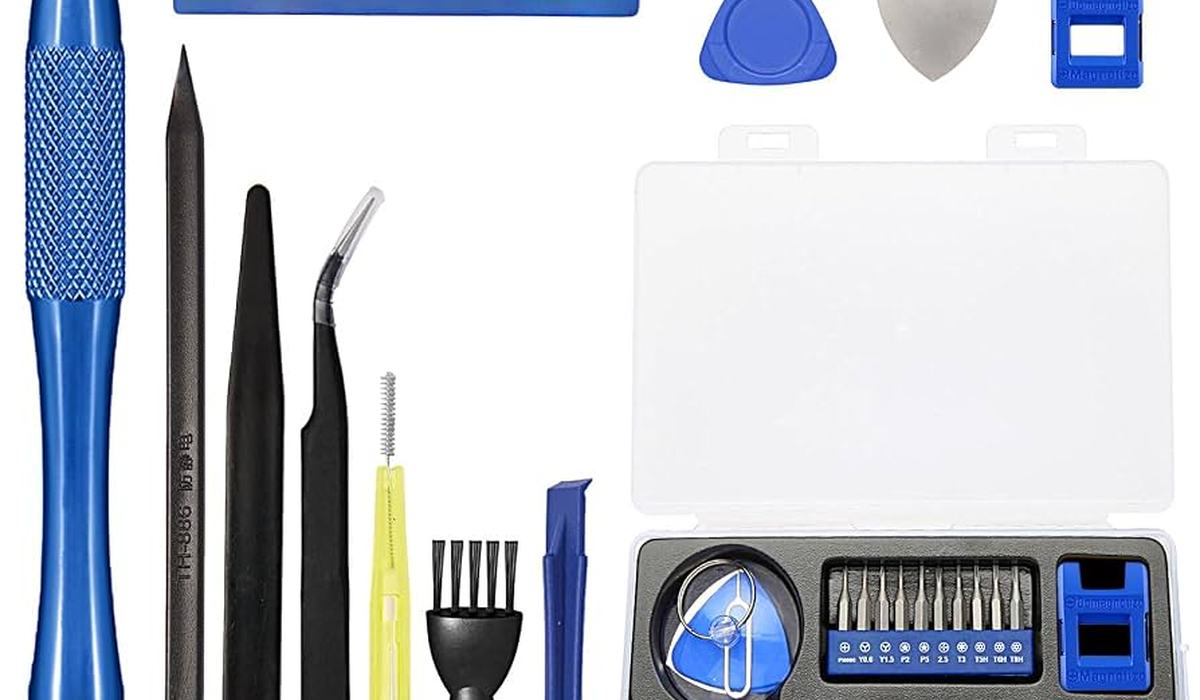
Wera Kraftform — best overall
Hardened tips that grip instead of slipping, in the exact sizes appliances use. The set that will not round out a screw head.
Check Price on Amazon →Klein Tools 8-in-1 — best value
One tool with eight bits, including the sizes appliances use. Compact enough to keep in a kitchen drawer.
Check Price on Amazon →Wiha Precision — best for small screws
Precision drivers for control panels, boards and small brackets. The right choice for electronics-adjacent repairs.
Check Price on Amazon →Tips that grip
- Match the size exactly — a loose fit rounds the head.
- Press down firmly while turning, so the tip does not cam out.
- Use a magnetic holder to keep screws from dropping into the appliance.
- Try a rubber band on a stripped head for extra grip.
- Use a stubby driver in tight spaces where a full driver will not fit.
- Never use a driver as a pry bar — it bends the tip.
Caring for drivers
- Wipe tips clean after use — oil and grit reduce grip.
- Store them dry to prevent rust.
- Replace worn tips — a rounded tip damages screws.
- Do not over-torque small drivers; they snap.
- Keep a spare #2 — it is the one you will wear out.
- Use the right tool for prying, not a driver.
For appliance repair, you need Phillips #0, #1 and #2, plus flat 3/16 and 1/4 inch. Buy a set with hardened tips and a magnetic holder. The Wera Kraftform is the best all-rounder; the Klein 8-in-1 is the best value.
Frequently asked questions
The bit sizes that cover domestic appliances
| Bit | Common use | Frequency |
|---|---|---|
| PH2 | Panel screws, hinges, brackets | Most used bit in the kit |
| PH1 | Small covers, control housings | Frequent |
| T25 Torx | Fridge panels, oven interiors | Frequent on modern appliances |
| T15 Torx | Washer doors, control boards | Frequent |
| T20 Torx | Cabinet panels, motor mounts | Occasional |
| 4 mm hex | Hinges, brackets | Occasional |
| S2 square | US appliances, some furniture | Model dependent |
If you sorted every fastener in a typical apartment appliance, the file would be dominated by two bits: PH2 and T25. Those two will open the majority of panels you will ever need to remove, which is why a set that lacks Torx is not really an appliance set at all. The rest of the bits earn their place occasionally, but they cost almost nothing when bought as part of a 50-bit kit.
A 50-bit set with PH1, PH2, T15, T20 and T25 costs about the same as three individual branded drivers, and it will open every appliance in the flat. Buy the kit before you need it.
Why insulation is not optional
Appliance repair involves working near mains wiring even after unplugging, because capacitors hold charge and neighbouring circuits may still be live. Insulated drivers protect against the one mistake you cannot undo.
Look for a marked voltage rating rather than a coloured handle. A handle that is merely orange is not insulation, and the difference only becomes apparent in the situation the insulation exists for.