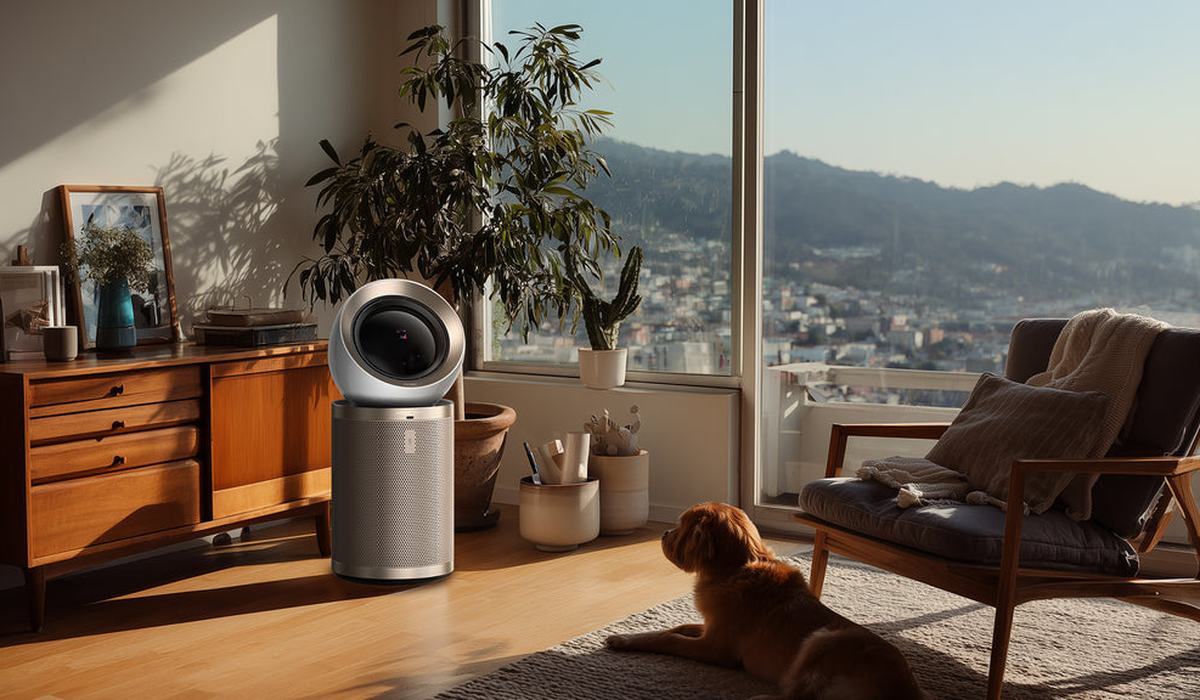
Air purifiers and dehumidifiers are often sold side by side and assumed to do the same job. They do not. A purifier removes particles — dust, dander, pollen, smoke. A dehumidifier removes water vapour from the air. Neither can do the other's job.
Which one you need depends entirely on your problem. If you are sneezing, you need a purifier. If your windows sweat and your bathroom grows mould, you need a dehumidifier. If you have both problems, you need both.
- Air purifier: for dust, dander, pollen, smoke, odour — anything you can breathe in as a particle or gas.
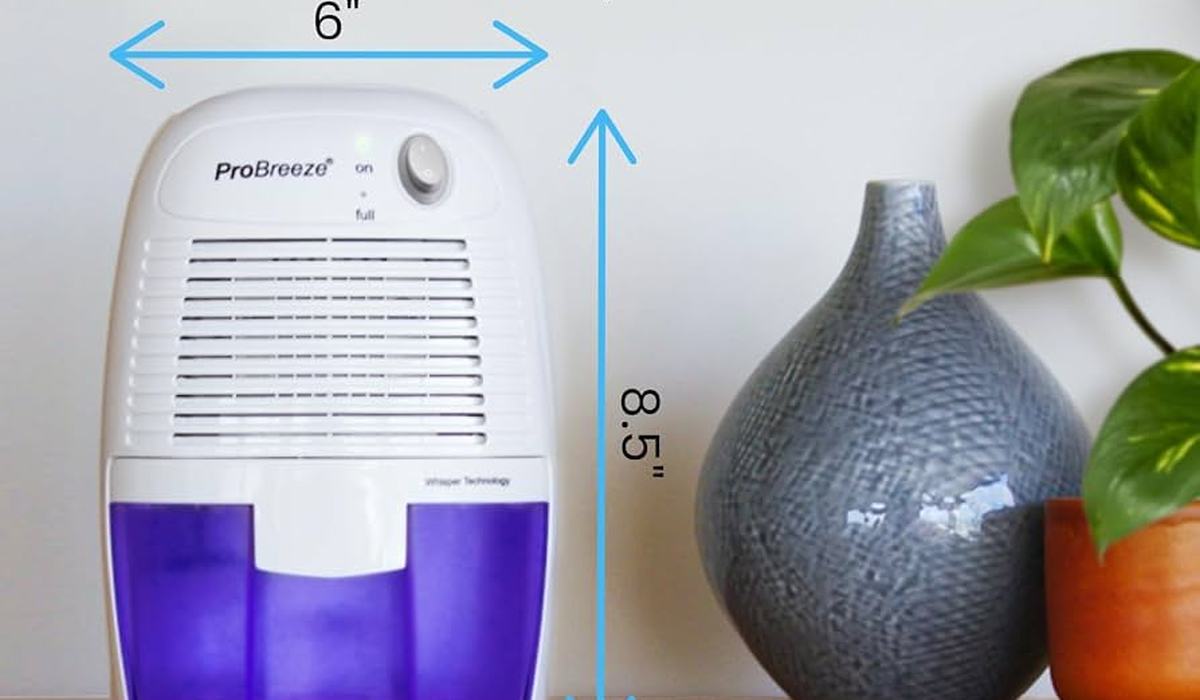
- Dehumidifier: for damp, condensation, musty smell, mould growth, and humidity above 60 percent.
- Both: if you have allergies and a damp apartment — common in basements and older buildings.
- Neither replaces ventilation: opening a window or running a bath fan is still the cheapest fix for moisture.
- Do not buy a '2-in-1' unless it has a real compressor or desiccant system — most are weak at both jobs.
On this page
The core difference
| Air purifier | Dehumidifier | |
|---|---|---|
| Removes | Particles and gases | Water vapour |
| Targets | Dust, dander, pollen, smoke, VOCs | Damp, condensation, mould risk |
| Measured in | CADR (CFM) | Pints per day |
| Best humidity range | Any | Above 60% RH |
| Typical cost | $90–$300 | $150–$300 |
| Running cost | $10–$40/year | $50–$200/year |
| Noise | 20–50 dB | 40–55 dB |
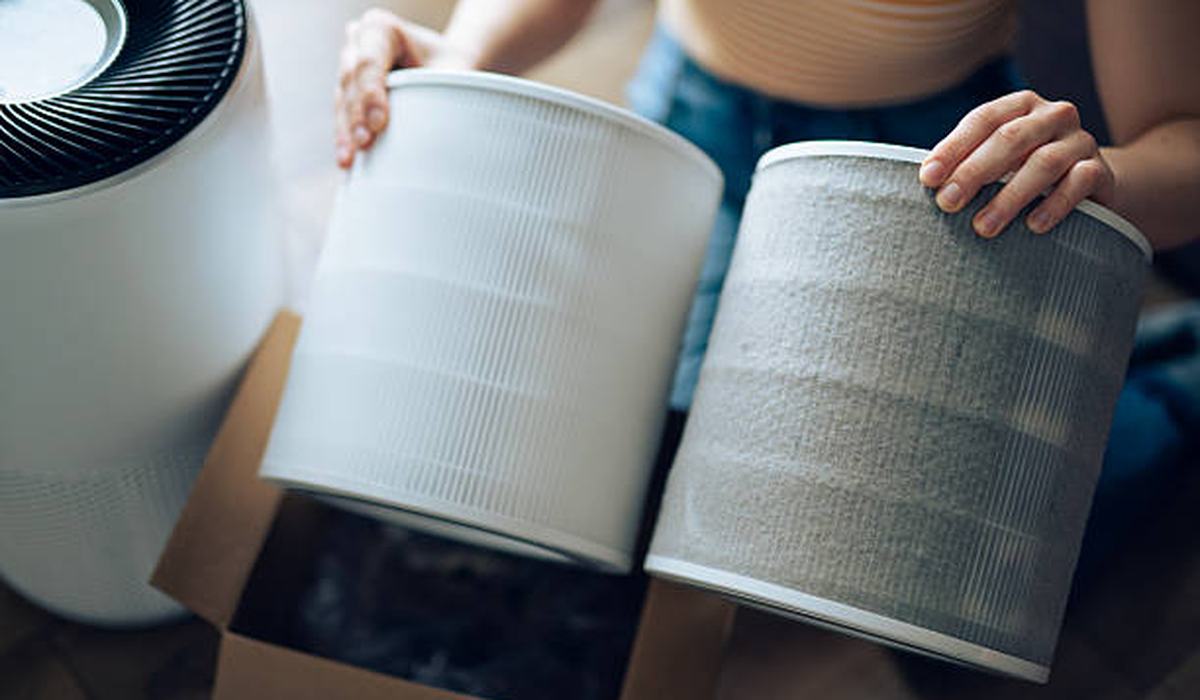
The key insight is that they operate on different physical states. A HEPA filter physically traps solid particles. A dehumidifier cools air below its dew point so water condenses out, or uses a desiccant to absorb it. There is no overlap.
Which one do you need?
Answer these questions honestly:
- Are you sneezing, congested, or reacting to dust and pets? You need an air purifier.
- Do your windows fog up, or does the bathroom stay wet for hours? You need a dehumidifier.
- Does the apartment smell musty even when clean? That is a moisture problem — dehumidifier.
- Is there visible black mould on window frames or in corners? Dehumidifier first, then fix the source.
- Is the air dry and staticky in winter? You need a humidifier, not either of these.
- Do you have both damp and allergies? You need both, and they can run together.
| Your problem | Right device |
|---|---|
| Dust, dander, pollen | Air purifier |
| Smoke, cooking odour | Air purifier (with carbon) |
| Condensation on windows | Dehumidifier |
| Musty smell, mould | Dehumidifier |
| Damp + allergies | Both |
| Dry winter air | Humidifier |
When you need both
Damp apartments and allergies often go together, because dust mites and mould both thrive in humidity above 60 percent. In that case the two devices are complementary: the dehumidifier removes the moisture that feeds the mites and mould, and the purifier removes the particles they produce.
Run the dehumidifier first to bring humidity into the 30 to 50 percent range, then run the purifier to clean the air. If you run them in the same room, keep them a few feet apart so the dehumidifier's warm exhaust does not fight the purifier's intake.
Are 2-in-1 units worth it?
Combination purifier-dehumidifiers exist, but most are compromised. A true dehumidifier needs a compressor or a desiccant wheel, which is bulky and noisy. Squeezing that into a purifier chassis usually means a weak dehumidifier and a mediocre purifier. Unless the unit has a genuine compressor and a real HEPA filter, buy the two devices separately.
An air purifier removes particles; a dehumidifier removes moisture. Buy the purifier for allergies, dust and smoke; buy the dehumidifier for damp, condensation and mould. If you have both problems, run both — they work together, not against each other.
Frequently asked questions
Two-in-one units
If you need both clean and dry air, a combo unit saves space.