A refrigerator is designed to cycle: it runs until it reaches temperature, then shuts off until the temperature rises again. If yours never shuts off, it is either losing cold air faster than it can make it, or it cannot shed the heat it produces. Either way, it is running up your power bill and shortening its own life.
The good news is that the most common causes are cheap to fix. Work through them in order.
- Most common cause: a worn door gasket letting warm air in.
- Second: dirty condenser coils, so the fridge cannot shed heat.
- Third: the fridge is set too cold, or the room is too hot.
- Fourth: a failed defrost system, so ice builds up and insulates the coils.
- Check first: the door seal and the coils — both are DIY fixes.
The causes, in order
| Cause | Likelihood | Fix difficulty |
|---|---|---|
| Worn door gasket | Very common | Easy |
| Dirty condenser coils | Very common | Easy |
| Temperature set too low | Common | Trivial |
| Room too hot | Common | Placement |
| Failed defrost system | Less common | Moderate |
| Bad thermistor | Less common | Moderate |
| Weak compressor | Rare | Professional |
The door seal test
The door gasket is the rubber seal around the door. When it wears out, warm air leaks in constantly, and the fridge runs nonstop trying to compensate. This is the single most common cause of a fridge that never shuts off.
Test it with the dollar-bill trick: close the door on a dollar bill so half is inside and half is out. Pull the bill out. If it slides out easily, the seal is weak at that spot. Test all four sides. If the bill pulls out with little resistance in several places, replace the gasket.
- Clean the gasket first. Sometimes a sticky gasket just needs wiping with warm soapy water.
- Check for tears. A visible tear means replacement.
- Check the door alignment. A sagging door will not seal; the hinges may need adjusting.
- Replace the gasket if the dollar-bill test fails — it is a cheap part and a DIY job.
Cleaning the condenser coils
The condenser coils shed heat from the fridge into the room. When they are coated in dust, they cannot shed heat efficiently, so the compressor runs longer and longer. In a dusty apartment, coils can clog within a year.
- Unplug the fridge.
- Find the coils — either at the back or behind a grille at the bottom front.
- Vacuum them with a brush attachment, or use a coil brush.
- Clean the fan blade if there is one, and the area around it.
- Vacuum the floor under and behind the fridge.
- Plug it back in and listen — the run time should shorten noticeably.
Dusty coils are the second most common cause of a fridge running constantly, and cleaning them is free. Make it part of your twice-yearly appliance maintenance.
Other causes
If the seal and coils are fine, check these:
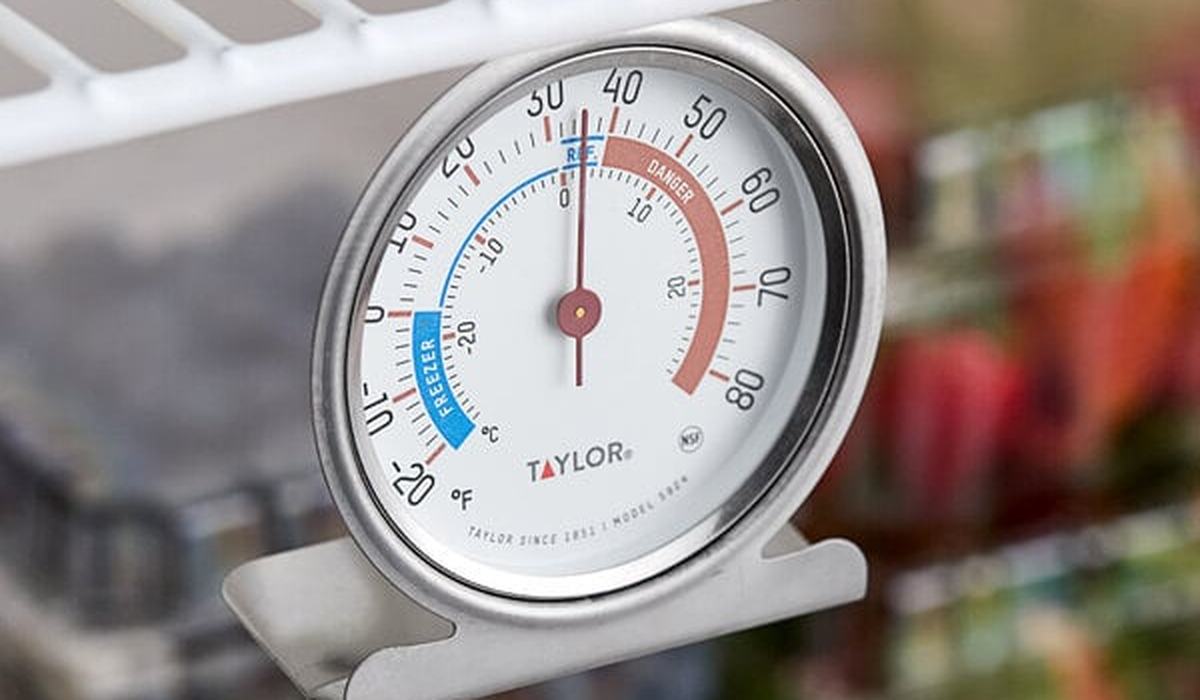
- Temperature setting. If the fridge is set to its coldest setting, it will run almost constantly. Set the fridge to 37°F and the freezer to 0°F.
- Room temperature. A fridge in a hot apartment, or next to an oven or in direct sun, works much harder. Move it if you can.
- Clearance. A fridge pushed against the wall cannot shed heat. Leave two inches behind and on the sides.
- Defrost system. If ice has built up on the evaporator, the fridge runs long. Defrost it manually and test.
- Thermistor. A faulty temperature sensor can make the fridge think it is warm when it is not, so it never stops. Test the thermistor's resistance.
- Door left ajar. Check that nothing is blocking the door from closing fully.
A fridge that runs constantly is usually losing cold air through a worn gasket or struggling to shed heat through dirty coils. Test the seal with a dollar bill, vacuum the coils, and check the temperature setting. Those three fixes solve most cases.
Frequently asked questions
Diagnostic tools
Check the real temperature before you replace any parts.