
When a fridge stops cooling, the instinct is to call someone. But the majority of “fridge not cooling” cases come down to something simple — a blocked vent, a worn seal, or dust on the coils — and you can rule those out in under an hour for free.
This guide walks through the seven causes in the order a technician would check them, cheapest and easiest first.
On this page
1. Blocked air vent (check this first)
Cold air moves from the freezer to the fridge through a vent, usually at the back. If you’ve packed the shelves too tightly, that vent gets blocked and the fridge section warms up while the freezer stays fine.
Fix: Pull everything away from the back wall and the vent. Leave a few inches of clearance. This alone solves a surprising number of cases.
2. Failed door gasket
A worn door seal lets warm air in constantly, so the compressor never catches up. It’s the most common cause of a fridge that runs non-stop but never gets properly cold.
Test: Close the door on a dollar bill at four points. If it slides out with no resistance, the gasket is failing.
Fix: Replace the gasket — a $15–$40 part and a 45-minute job. Full step-by-step guide here →
3. Dirty condenser coils
The condenser coils at the back or bottom of the fridge dump heat. When they’re coated in dust and pet hair, they can’t, and cooling efficiency drops sharply.
Fix: Unplug the fridge, pull it out, and vacuum or brush the coils. Do this every 6–12 months. A coil cleaning brush costs under $15 and pays for itself immediately.
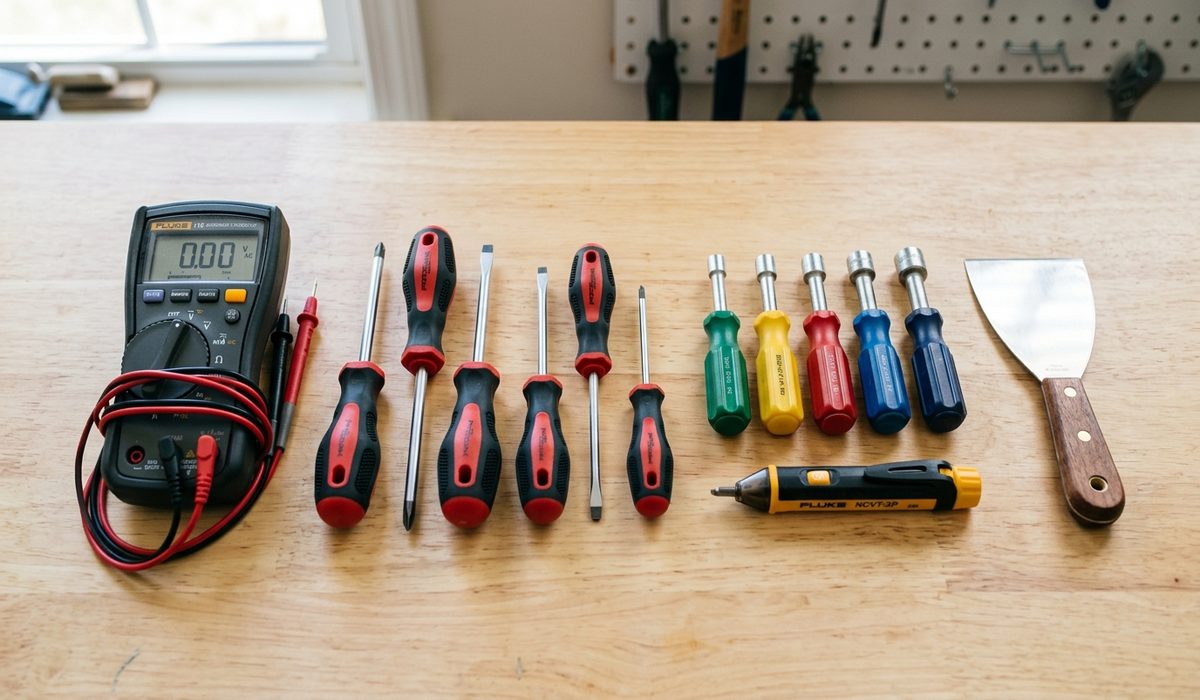
Refrigerator Coil Cleaning Brush
A long, flexible brush designed to reach behind and under the fridge. The cheapest efficiency upgrade you can make.
Check Price on Amazon →4. Failed evaporator fan
The evaporator fan circulates cold air from the freezer into the fridge. If it dies, the freezer may still be cold but the fridge section goes warm — and you’ll often hear no fan noise when you open the door.
Test: Open the freezer and listen. If the fan isn’t running (and the door switch is pressed), it’s failed.
Fix: Replace the fan motor — a $25–$60 part. It’s a moderate DIY job; if you’re not comfortable, this is a reasonable point to call a technician.
5. Dead start relay
If the fridge is silent, or clicking every few minutes without the compressor running, the start relay has likely failed. It’s a $10–$30 part and one of the highest-value DIY repairs there is.
Test: Unplug the fridge, remove the relay from the compressor, and shake it. A rattle means it’s broken.
Fix: Full test-and-replace guide here →
6. Defrost system fault
Fridges run a defrost cycle to stop ice building on the evaporator coils. If the defrost heater, thermostat or timer fails, ice builds up, blocks airflow, and the fridge warms.
Signs: Heavy frost in the freezer, or the fridge cooling fine after a manual defrost then warming again.
Fix: This needs a technician. It’s a genuine repair, not a cleaning job.
7. Refrigerant leak
If the compressor runs constantly but nothing gets cold, and you’ve ruled out everything above, you may have a refrigerant leak. This is a sealed-system fault.
Signs: The compressor is hot and running non-stop, no cooling, and possibly oily residue or frost on the sealed system.
Fix: A licensed technician only. On an older fridge, this is often uneconomical — and in a rental, it’s your landlord’s responsibility.
Check airflow before you check anything electrical
A refrigerator that is not cooling is usually losing cold air rather than failing to make it. Before you reach for a multimeter, confirm the air inside is actually circulating: an evaporator fan that has stopped, or a vent blocked by an overpacked shelf, produces exactly the same warm compartments as a failing compressor, and both are free to fix.
Listen at the back of the freezer compartment. A healthy fridge has a continuous, quiet fan note; a silent freezer with the compressor running points at the evaporator fan motor or its wiring. If you can hear the fan, look inside for a vent that has been covered by a container pressed against the back wall, which is the single most common cause of a warm fridge section.
| Observation | What it points to | Before you buy anything |
|---|---|---|
| Freezer cold, fridge warm | Airflow or damper fault | Clear blocked vents, listen for the fan |
| Both compartments warm | Condenser or compressor | Clean the coils, listen at the back |
| Fan silent, compressor running | Evaporator fan motor | Check the fan connector and blades |
| Frost on the rear wall | Defrost system fault | Test the heater and thermostat |
What to have ready before you call anyone
If you do end up calling a technician, the first question will be the model and serial number, and the second will be what the freezer is doing. Having both ready, plus a note of the temperature you measured and when it changed, shortens the visit and usually means the right part arrives with the technician instead of being ordered after a second appointment.
Take a photograph of the data plate now, while the fridge is accessible, and note what the freezer and fridge sections read with a thermometer left in place for a full cycle. That record turns a vague complaint into a diagnosis, and it is the difference between a single service visit and three.
Frequently asked questions
Why is my refrigerator running but not cooling?
My freezer is fine but the fridge section is warm. Is that serious?
It is usually an airflow problem rather than a sealed-system failure, which is good news. Clear any container pressed against the rear vents and listen for the evaporator fan; if the fan is silent, the motor or its connector is the likely fault.
How long should I wait after a repair before judging it?
Give it a full cycle, which can be several hours. Put a thermometer in the middle of each compartment and check again the next morning; a single reading taken soon after switching on will look disappointing even when the repair has worked.
How long should a refrigerator take to get cold?
Can I fix a refrigerator that is not cooling myself?
When should I call a technician instead?
Is it worth repairing an old fridge?
Related guides
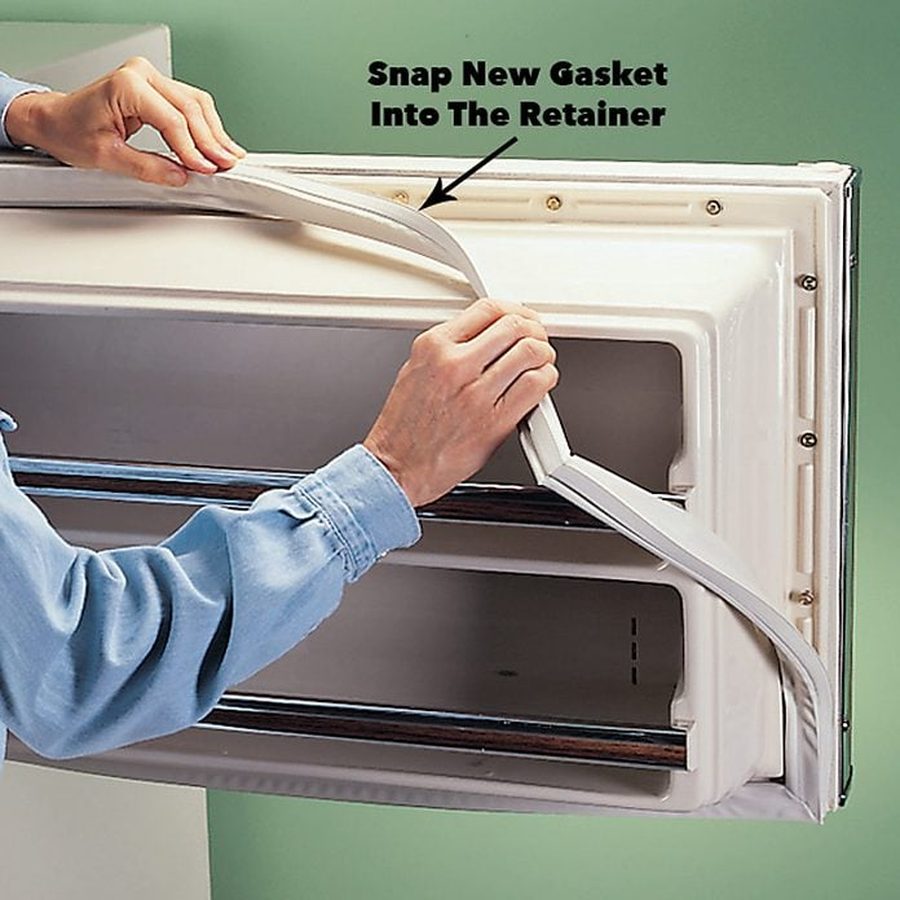
Refrigerator Start Relay: How to Test & Replace
The $15 part behind most “fridge won’t start” failures.

Best Air Purifier for Small Apartments
Seven purifiers tested for noise, cost and real-world CADR.