A refrigerator that keeps the freezer cold but leaves the fridge warm is telling you something specific: the cooling system works, but the cold air is not reaching the fridge compartment. That narrows the fault to airflow, a defrost problem, or a damper — not the compressor.
This is good news, because those faults are cheaper to fix than a sealed-system failure. Work through the checks below in order.
- Most common cause: a blocked air vent between the freezer and fridge, usually from overloading.
- Second most common: a failed defrost system, so ice builds up and blocks the airflow.
- Third: a stuck or failed air damper that controls how much cold air enters the fridge.
- Check first: the temperature setting and whether the vents are blocked by food.
- Do not replace the compressor — if the freezer is cold, the compressor is working.
On this page
The diagnostic order
Work through these in sequence. Each step rules out a cause before you move to the next, so you never buy a part you did not need.
| Step | Check | If it fails |
|---|---|---|
| 1 | Temperature setting | Set fridge to 37°F, freezer to 0°F |
| 2 | Blocked vents | Clear food away from the vents |
| 3 | Door seal | Replace the gasket if it is torn |
| 4 | Ice buildup in freezer | Defrost manually, then test |
| 5 | Evaporator fan | Replace if not spinning |
| 6 | Air damper | Replace if stuck closed |
| 7 | Defrost heater/thermistor | Test and replace |
Airflow and vent checks
In most fridges, cold air is produced in the freezer and blown into the fridge compartment through a vent, usually at the top rear. If that vent is blocked by a bag of frozen peas or an overfilled shelf, the fridge warms up while the freezer stays cold.
- Empty the top shelf of the fridge. The vent is often at the back, hidden behind food.
- Check the freezer side too. If the freezer is packed to the evaporator cover, air cannot circulate.
- Listen for the fan. With the door open, press the door switch and listen. If you hear no fan, the evaporator fan may have failed.
- Check the door seal. A torn gasket lets warm air in, which the fridge cannot keep up with.
A freezer packed tight against the back wall blocks the evaporator and the air passages. Leave a few inches of space at the back so cold air can circulate into the fridge compartment.
The defrost system
If airflow is fine but the fridge is still warm, suspect the defrost system. Every fridge periodically runs a defrost cycle to melt frost off the evaporator coils. If the defrost heater, thermistor or timer fails, frost builds up until it blocks the air passages entirely — and the fridge warms while the freezer stays cold.
The tell-tale sign is a thick layer of frost or ice on the back wall of the freezer, or ice visible behind the evaporator cover. The fix is to defrost the fridge manually first: unplug it, leave the doors open for 24 hours with towels down, then plug it back in. If the fridge works again but the problem returns in a few weeks, the defrost system needs a part replaced.
| Defrost part | Symptom of failure | Test |
|---|---|---|
| Defrost heater | Frost never melts | Continuity test |
| Defrost thermistor | Heater never turns on | Resistance test |
| Defrost timer/board | No defrost cycle | Observe cycle |
| Drain heater | Ice in drain pan | Visual |
The air damper
The air damper is a small door between the freezer and fridge that opens and closes to control fridge temperature. If it sticks closed, no cold air reaches the fridge. If it sticks open, the fridge gets too cold and the freezer warms. A failed damper is a common cause of the exact symptom in this guide.
You can often see the damper behind a plastic cover at the top of the fridge compartment. With the fridge running, check whether it opens. If it is stuck, it needs replacing — a cheap part, but it requires some disassembly.
When to call a pro
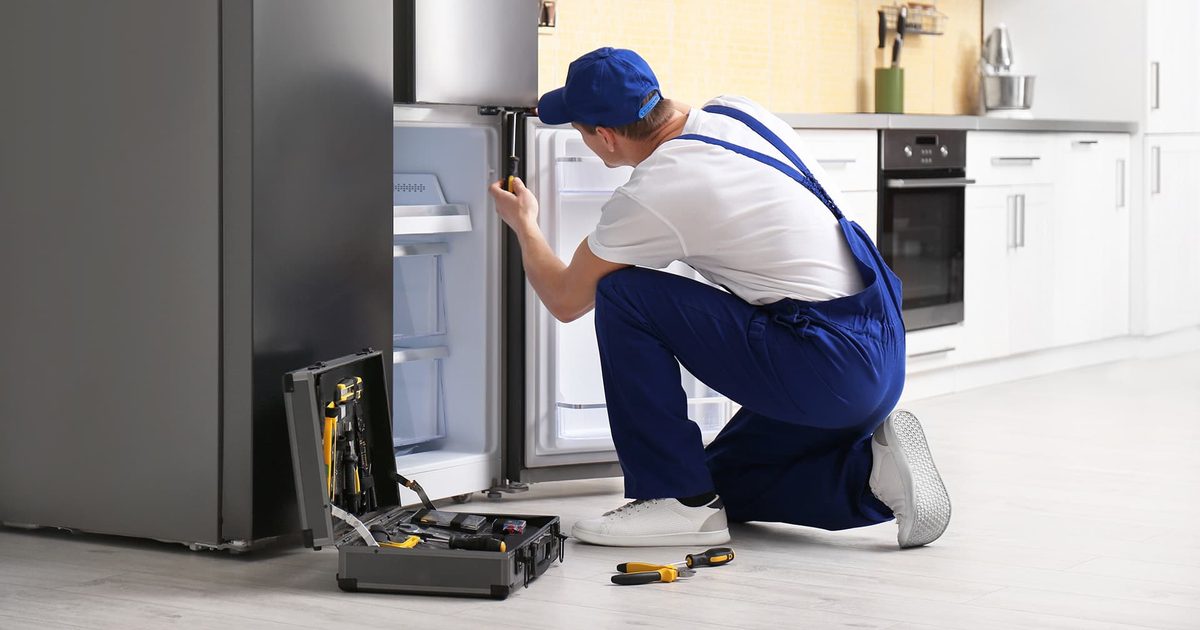
If you have cleared the vents, defrosted the fridge, and checked the fan and damper, and the fridge is still warm while the freezer is cold, the remaining causes are the sealed system or the control board. Both are jobs for a technician. A sealed-system repair — a refrigerant leak or a failed compressor — usually costs more than a new fridge, so get a quote before committing.
Freezer cold, fridge warm almost always means an airflow or defrost problem, not a compressor failure. Clear the vents, defrost the fridge, check the fan and damper. If those do not fix it, get a technician quote before spending on parts.
Frequently asked questions
Diagnostic tools
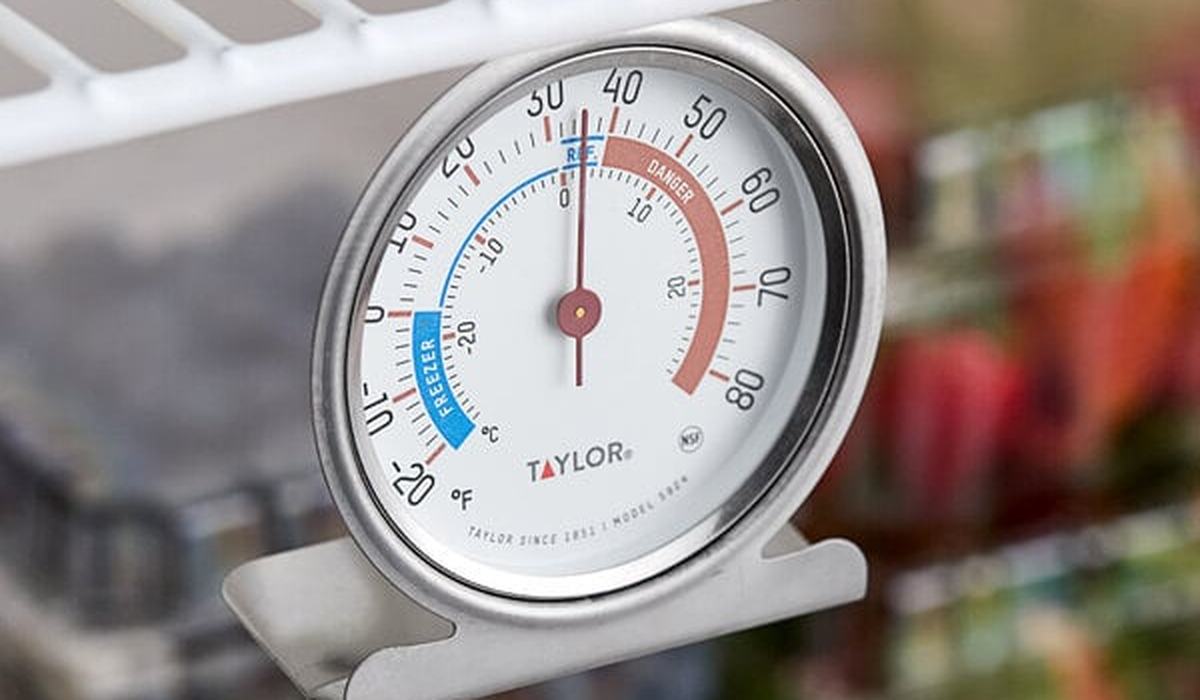
A thermometer confirms whether the fridge is actually warm.