An ice maker is a small machine with a water supply, a valve, a mould and a heater. It fails more often than any other refrigerator feature, and it is also one of the few that is genuinely repairable at home. Work through these six checks in order — most people find the fault in the first two.
Unplug the refrigerator before working on the ice maker or the water inlet valve. The valve is connected to mains power, and any work on a water line means you will be disconnecting something that can spray.
On this page
1. Check the obvious controls
- Is the ice maker switched on? Most have a wire arm (up = off) or a button. A cleaner or a child may have flipped it.
- Is the water dispenser working? If the dispenser also has no water, the problem is upstream — supply, valve or filter — not the ice maker.
- Is there a lock or demo mode? Check the control panel for an ice-off or child-lock indicator.
- Has the unit just been installed? Ice makers need 12–24 hours and several cycles to produce the first cubes.
2. Frozen fill tube — the number one cause
The fill tube carries water from the inlet valve into the ice mould. If the freezer is running cold, or the valve drips slightly, water freezes inside the tube. The ice maker then calls for water, gets none, and produces nothing — while every other function works perfectly.
- Unplug the fridge and find the fill tube where it enters the back of the freezer wall above the ice maker.
- Look for ice at the tube outlet. It is often a small visible plug.
- Thaw it with a hairdryer on low, keeping it moving, for a few minutes. Or let the freezer defrost for a couple of hours.
- Check for a kink or a crushed section in the tube where it passes the cabinet. Refit properly.
- Plug back in, wait a day, and see if ice returns. If it returns then freezes again within weeks, the inlet valve is weeping — see step 3.
The fill tube runs through the freezer wall. That is a hostile place for a water line. A tiny amount of residual water in the tube freezes solid during normal operation, and once the plug forms it grows. Thawing it is free, so always try this before buying any part.
3. Water supply and inlet valve
If the fill tube is clear, check that water is actually reaching the unit.
| Check | How | If it fails |
|---|---|---|
| Saddle valve open | Find the supply tap under the sink; confirm it is open | Open it — a common accidental shut-off |
| Supply line kinked | Trace the 1/4 inch tubing behind the fridge | Straighten or replace the line (~$10) |
| Inlet valve | Unplug, and test the valve solenoid for continuity | Replace — $25–$60, DIY |
| Water pressure | Low house pressure starves the valve | Test a nearby tap |
| Leak | Look for water under the fridge or at the valve | Tighten or replace the compression fitting |
The inlet valve is a dual solenoid on most fridges — one side feeds the dispenser, one feeds the ice maker. If the dispenser works and the ice maker does not, that is a strong signal the ice-maker side of the valve, or its wiring, has failed.
4. Water filter
A clogged filter restricts flow. Symptoms: slow dispenser fill and reduced or absent ice production, often with the filter-change light on.
- Replace the filter — most are rated for six months or about 200 gallons.
- Some fridges disable the ice maker when the filter is overdue.
- After fitting a new filter, flush 2–3 gallons through the dispenser to clear air and carbon fines before expecting ice.
5. The ice maker module itself
If water reaches the mould and the freezer is cold, the ice maker module has failed. It is a single replaceable assembly — mould, heater, motor and thermostat.
- Symptom: the mould has water in it but never ejects; or it ejects nothing and produces no cubes.
- Check the bail arm or shut-off sensor is not stuck in the off position.
- Listen for the motor during a cycle. Silence plus frozen mould means the module motor has failed.
- Replacement: typically $60–$180 depending on model. Genuine modules fit; generic ones often do not align with the fill tube.
6. Freezer temperature
An ice maker cannot make ice in a warm freezer. If the freezer is above about −10°C, the mould will not freeze fast enough and the maker will struggle.
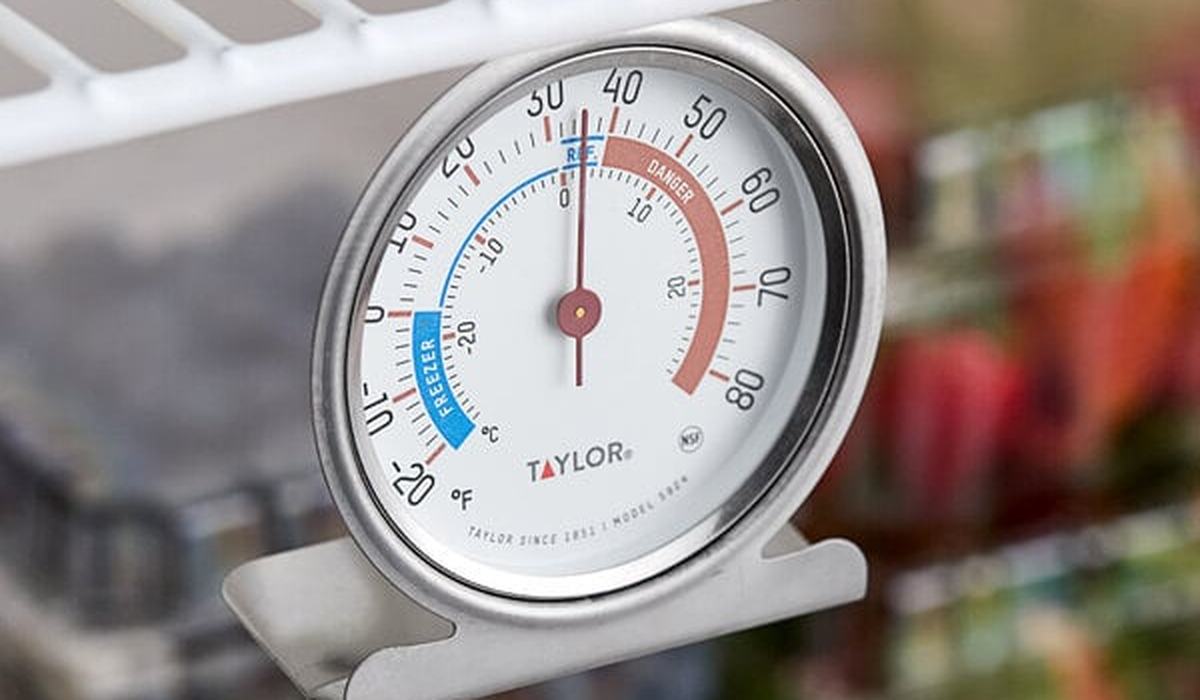
- Check the freezer temperature with a thermometer between two frozen items. It should be −18°C.
- If the freezer is warm, stop here and diagnose the freezer — a blocked condenser coil or a defrost fault is the likely cause.
- If the freezer door seal is failing, the freezer nearest the door warms first, which is often where the ice maker sits.
| Symptom | Most likely cause | Fix |
|---|---|---|
| No ice, dispenser works | Frozen fill tube or ice maker side of the valve | Thaw the tube; then test the valve |
| No ice, dispenser dead too | Supply off, kinked line, or filter blocked | Check the tap, line and filter |
| Water in the mould, no cubes | Ice maker module motor failed | Replace the module |
| Small or hollow cubes | Low water pressure or partially blocked filter | Replace the filter; check pressure |
| Ice returns then stops again | Inlet valve weeping into the tube | Replace the inlet valve |
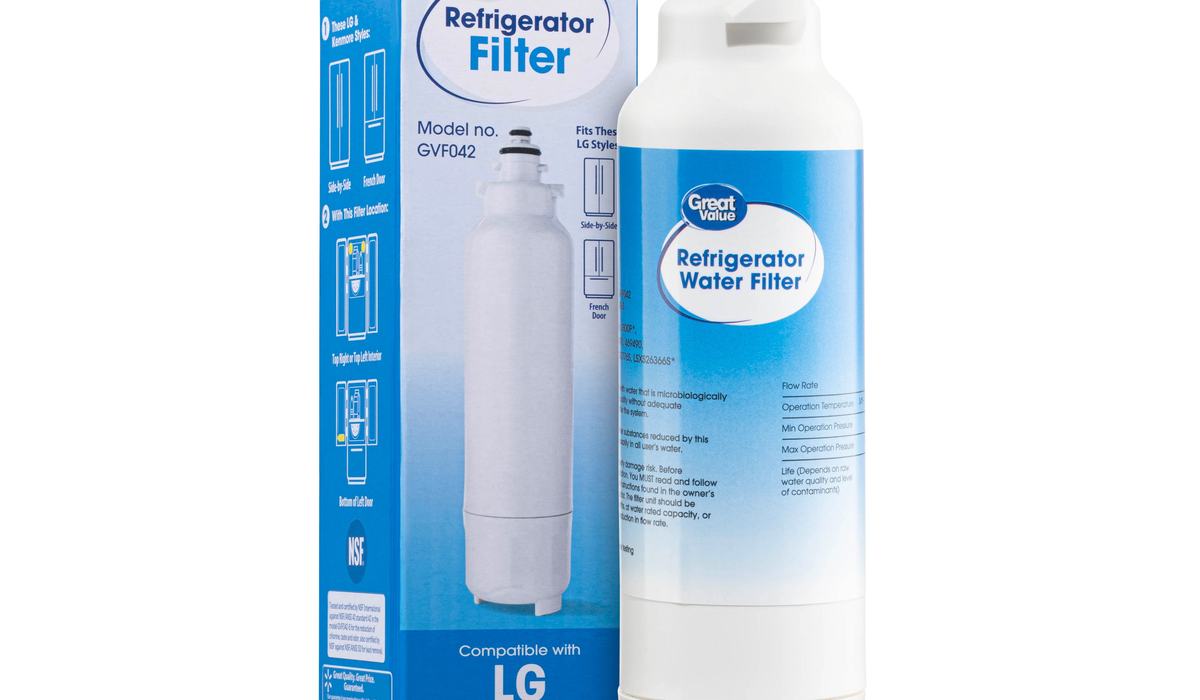
Replacement water filter — the cheapest ice maker fix
A clogged filter starves the ice maker and slows the dispenser. Replace every six months and flush three gallons before judging the results.
Check Price on Amazon →
Replacement ice maker module — when the mould has water but no cubes
Buy by the exact model number. The module is a single assembly, and alignment with the fill tube is what separates a good fit from a leaky one.
Check Price on Amazon →Thaw the fill tube first — it is free and it is the most common cause. Then check the supply tap, the filter and the inlet valve. If the freezer is cold, water reaches the mould, and the module still will not eject, replace the module assembly.