When you buy a replacement appliance part, you have two choices: OEM (original equipment manufacturer) or aftermarket. OEM parts are made by or for the appliance brand and fit perfectly. Aftermarket parts are made by third parties and cost less, but quality varies widely.
The right choice depends on the part. This guide explains when to pay for OEM and when aftermarket is fine.
- Buy OEM for: control boards, motors, sealed systems, anything electronic.
- Aftermarket is fine for: gaskets, filters, belts, knobs, shelves.
- OEM advantage: guaranteed fit and warranty.
- Aftermarket advantage: 30–60% cheaper.
- Rule of thumb: the more complex the part, the more OEM matters.
OEM vs aftermarket
| OEM | Aftermarket | |
|---|---|---|
| Price | Higher | 30–60% lower |
| Fit | Guaranteed | Usually good, sometimes off |
| Quality | Consistent | Varies by brand |
| Warranty | Manufacturer warranty | Seller warranty only |
| Availability | Sometimes discontinued | Often easier to find |
| Best for | Complex or critical parts | Simple, low-risk parts |
When to buy each
| Part | Recommendation | Why |
|---|---|---|
| Control board | OEM | Electronics must match exactly |
| Compressor | OEM | Sealed system, critical |
| Motor | OEM | Fit and spec matter |
| Door gasket | Aftermarket OK | Simple rubber part |
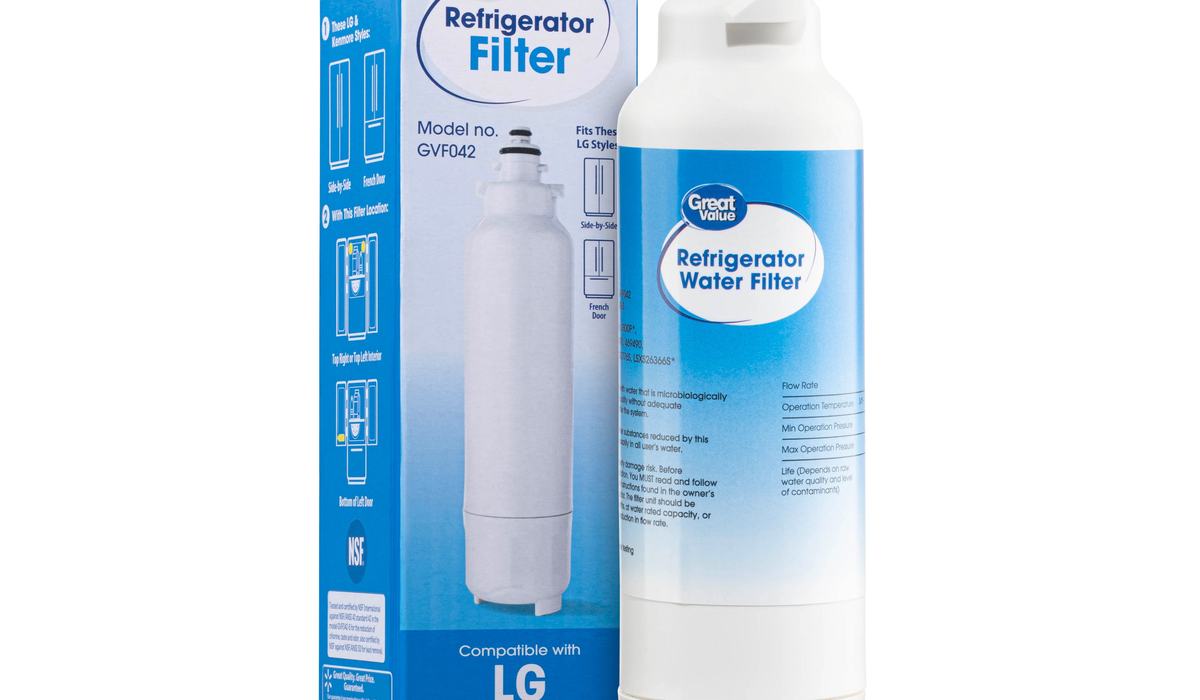
| Water filter | Aftermarket OK | If reputable brand |
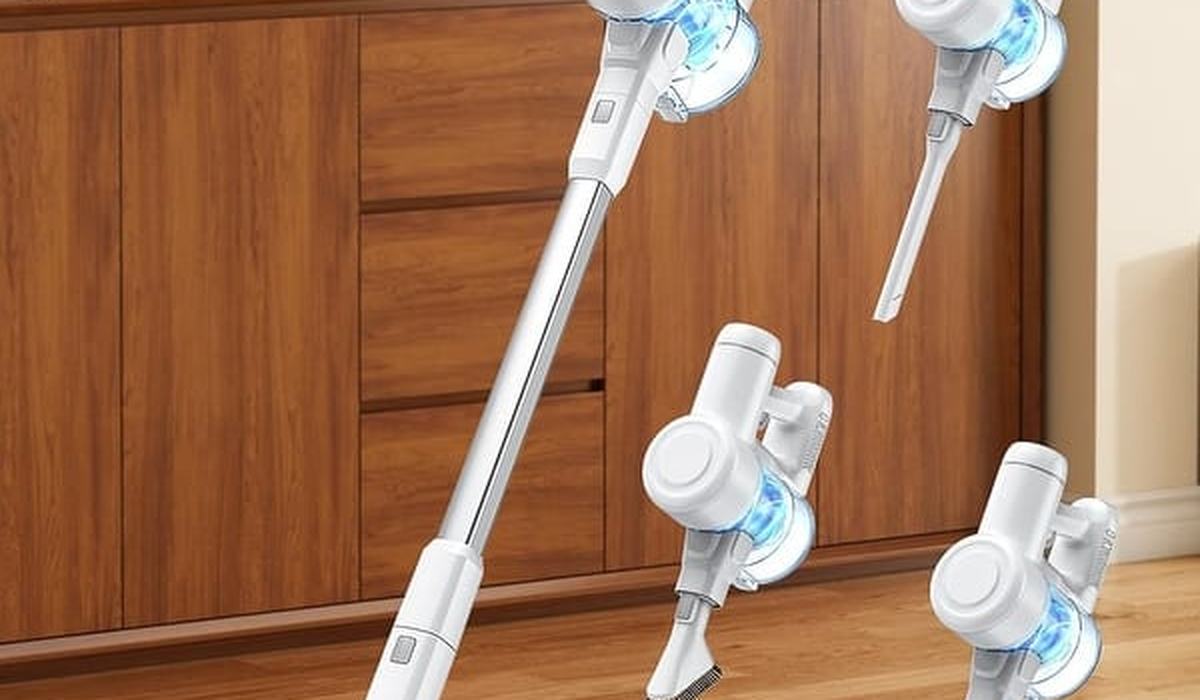
| Vacuum belt | Aftermarket OK | Cheap consumable |
| Shelves and drawers | Aftermarket OK | Cosmetic, low risk |
| Knobs and handles | Aftermarket OK | Simple parts |
An aftermarket control board that does not match the original can fail immediately or damage other components. For electronics, always buy OEM or a verified equivalent. The few dollars you save are not worth a second failure.
Judging aftermarket quality
- Check the brand — some aftermarket brands are well known and reliable.
- Read reviews for fit and durability, not just price.
- Check the fit list — does it list your exact model?
- Look for certifications on electrical parts.
- Avoid the very cheapest — quality drops fast.
- Prefer sellers with returns in case it does not fit.
Warranty and returns
OEM parts usually carry the manufacturer's warranty, which matters for expensive parts. Aftermarket parts carry only the seller's warranty, which may be short or nonexistent. Always check the return policy before buying, especially for parts you cannot test until fitted.
- Check the warranty period before buying.
- Confirm the return policy for wrong-fit parts.
- Keep the receipt for warranty claims.
- Photograph the old part to compare on arrival.
- Test-fit before fully installing where possible.
- Buy from a seller with a track record.
Buy OEM for control boards, motors and anything electronic or critical. Aftermarket is fine for gaskets, filters, belts, knobs and shelves. The more complex the part, the more OEM matters. Always check the fit list and return policy before buying.
Frequently asked questions
Replacement parts
Check the fit list against your model number before you buy.