A dishwasher that leaves cloudy glasses, grit on plates or a smell in the kitchen is usually not a detergent problem. It is a build-up problem: a clogged filter, blocked spray arm holes, a greasy door seal, or hard-water scale on the heating element.
Cleaning it properly takes 20 minutes of hands-on work and one empty cycle. Do it every three months and the dishes stay spotless.
- Clean the filter — the single biggest cause of gritty dishes.
- Clear the spray arm holes with a pin.
- Wipe the door seal and the edges.
- Run an empty hot cycle with a dishwasher cleaner or vinegar.
- Check the rinse aid — it is what stops cloudiness.
- Clean the drain area and check for standing water.
On this page
Why dishes come out dirty
| Symptom | Real cause | Fix |
|---|---|---|
| Gritty residue on dishes | Clogged filter | Clean the filter |
| Cloudy glasses | Hard water scale, or no rinse aid | Add rinse aid; descale |
| Food still on the top rack | Blocked upper spray arm | Clear the spray holes |
| Smell in the kitchen | Food debris in the filter or drain | Clean the filter and drain |
| Water on dishes at the end | Poor drainage or a full filter | Clean the filter; check the drain hose |
| White film on everything | Excess detergent or hard water | Reduce detergent; check salt level |
1. The filter — do this first
Most dishwashers have a two or three part filter assembly at the bottom of the tub. It catches food debris, and when it is clogged the wash water is recirculated with that debris in it. Grit on your plates is the result.
- Remove the lower rack and locate the filter cylinder at the bottom.
- Twist and lift it out — usually a quarter turn counter-clockwise.
- Separate the parts: a coarse filter, a fine mesh, and sometimes a micro-filter.
- Rinse under warm running water, and scrub the mesh with a soft brush.
- For greasy residue, soak in hot water with a little dish soap for ten minutes.
- Refit securely. A filter that is not locked in place will not filter.
- Clean it monthly, not quarterly, if you run the machine daily.
If you only ever do one thing to your dishwasher, do this: pull the filter out, rinse it, and put it back. It takes thirty seconds and it fixes the most common cause of dirty dishes.
2. Spray arm holes
The spray arms rotate and spray water through small holes. Those holes block with scale and food particles, which is why one rack or one side of the machine stops cleaning properly.
- Remove the spray arms — most lift off after a quarter turn, or unscrew a retaining nut.
- Hold them up to the light and check every hole is clear.
- Poke out blockages with a pin, a paperclip or a cocktail stick. Do not use anything that will widen or damage the hole.
- Rinse the arms and shake out any debris inside.
- Check the arms spin freely when refitted. If they catch, a rack or an item is blocking them.
3. Door seal and edges
The rubber seal around the door and the edges of the tub accumulate a black grease film of food and detergent residue. It makes the machine smell and eventually stains.
- Wipe the door seal with a cloth and hot soapy water, or a dilute vinegar solution.
- Get into the fold of the gasket — that is where the film sits.
- Clean the door's inner panel and the edges of the tub.
- Check the detergent dispenser for hardened residue and clear it.
- Dry it afterwards and leave the door slightly ajar between uses.
4. Empty hot cycle
- Make sure the machine is empty — no dishes, no cutlery.
- Put a cup of white vinegar upright on the top rack, or use a proprietary dishwasher cleaner in the detergent compartment.
- For heavy scale, sprinkle baking soda on the bottom of the tub first and run the hottest cycle.
- Run the hottest, longest cycle the machine offers.
- For a badly scaled machine, run it a second time. The first loosens, the second flushes.
- Do not add dish detergent to this cycle — it will foam over.
Do not use both in the same cycle, or in consecutive cycles without rinsing. Vinegar plus bleach produces chlorine gas. Choose one method per cleaning session.
5. Rinse aid and salt
Cloudy glasses are almost always a water problem, and two consumables solve it.
| Item | What it does | Refill when |
|---|---|---|
| Rinse aid | Helps water sheet off, preventing spots and cloudiness | The indicator light comes on, or monthly |
| Dishwasher salt (hard water areas) | Regenerates the water softener built into the machine | The salt light comes on |
| Detergent | Cleans | Obvious |
| Machine cleaner | Descales and removes grease film | Every 3 months |
If your glasses are already clouded from etching — a permanent, physical change to the glass caused by repeated soft-water corrosion — no cleaning will restore them. Prevention with rinse aid is the only fix.
6. The drain area
- Check for standing water in the bottom of the tub after a cycle. If there is any, the drain is partially blocked.
- Clean the sump area around the filter — food debris collects there.
- Check the drain hose for kinks where the machine sits against the cabinet.
- Run a hot cycle with vinegar to help clear grease from the drain path.
- If water still stands, the drain pump or the air gap may need attention.

Dishwasher cleaner tablets — for the quarterly deep clean
Cheaper than vinegar for heavy grease film, and formulated to work in the machine without foaming. One tablet per empty hot cycle every three months.
Check Price on Amazon →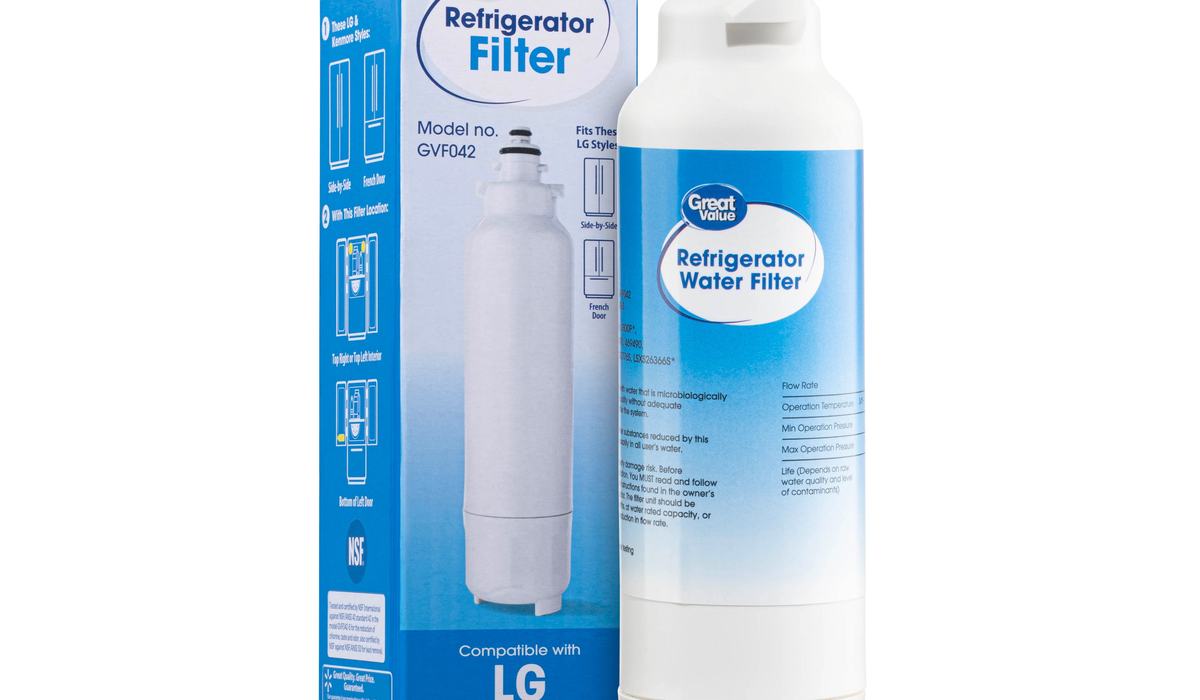
Rinse aid — the fix for cloudy glasses
If your glasses come out cloudy, check the rinse aid first. It is the cheapest, most effective fix, and most people let it run empty.
Check Price on Amazon →Rinse the filter monthly, clear the spray arm holes, wipe the door seal, run an empty hot cycle with a cleaner quarterly, and keep the rinse aid topped up. That combination keeps dishes spotless and the machine odour-free.