A refrigerator that stops cooling on both sides is a specific diagnosis. When only the fridge compartment is warm but the freezer still freezes, the problem is almost always airflow or a defrost fault. When both go warm together, the compressor is not running, the condenser is not rejecting heat, or the thermostat is lying to the control board.
Work through these seven causes in order. The first four cost nothing to check and fix the majority of cases. The last three need a multimeter.
Unplug the refrigerator before opening any panel or touching any wire. A refrigerator has mains voltage at the compressor terminals and the defrost circuit, and the capacitors in some models hold charge after the plug is pulled. If you are not comfortable working near mains voltage, stop after cause 4 and call a technician.
On this page
1. Is the refrigerator getting power at all?
This sounds insulting but catches a real number of calls. A tripped GFCI outlet, a failed surge protector, or a loose plug behind the unit will make a fridge warm and silent.
- Check the lights inside. No interior light at all means no power at the unit.
- Check the outlet with another appliance — a phone charger or lamp. If that outlet is dead, reset the GFCI.
- Listen for the compressor. Place a hand on the lower rear or the lower side panel. A running compressor vibrates and feels warm. Silence plus no warmth means it is not running.
- Check the breaker. Fridges sometimes share a circuit with kitchen outlets and trip it.
If the unit has power, the light works and the compressor is warm and humming, move on.
2. Is the condenser coil blocked?
This is the most common real cause of a fridge that runs constantly without getting cold. The condenser coils reject the heat removed from inside. If they are packed with dust and pet hair, the fridge cannot dump heat and slowly loses the ability to cool.
- Where to look. Older models: a black coil grid on the back. Newer models: behind the kick plate at the bottom front.
- How to clean them. Unplug, remove the kick plate, brush along the fins (never across them — bending fins hurts performance), then vacuum.
- How often. Every six months, or every three in a pet household. This single maintenance task prevents a large share of “my fridge is dying” calls.
Unplug the fridge, pull it out enough to reach the back or remove the kick plate, and shine a torch on the coils. If you cannot see daylight between the fins, they are blocked. Clean them, plug it back in, and give it four hours before judging whether it has recovered.
3. Is the door actually sealing?
A gap of even 3 mm along a door seal leaks enough cold air that the compressor never catches up — especially in a warm apartment kitchen. The fridge runs continuously and both compartments stay warm.
- The dollar-bill test. Close the door on a dollar bill at several points around the perimeter. If it slides out easily at any point, the seal is not gripping there.
- Look for the light. Stand in a dark kitchen with a torch inside the fridge, close the door, and look for light escaping.
- Check the gasket. Look for cracks, a flattened profile, or a section that has pulled out of the door channel.
- Check the hinge and levelling. A fridge that leans forward can hold the door slightly open. The unit should tilt very slightly backwards so the door swings shut on its own.
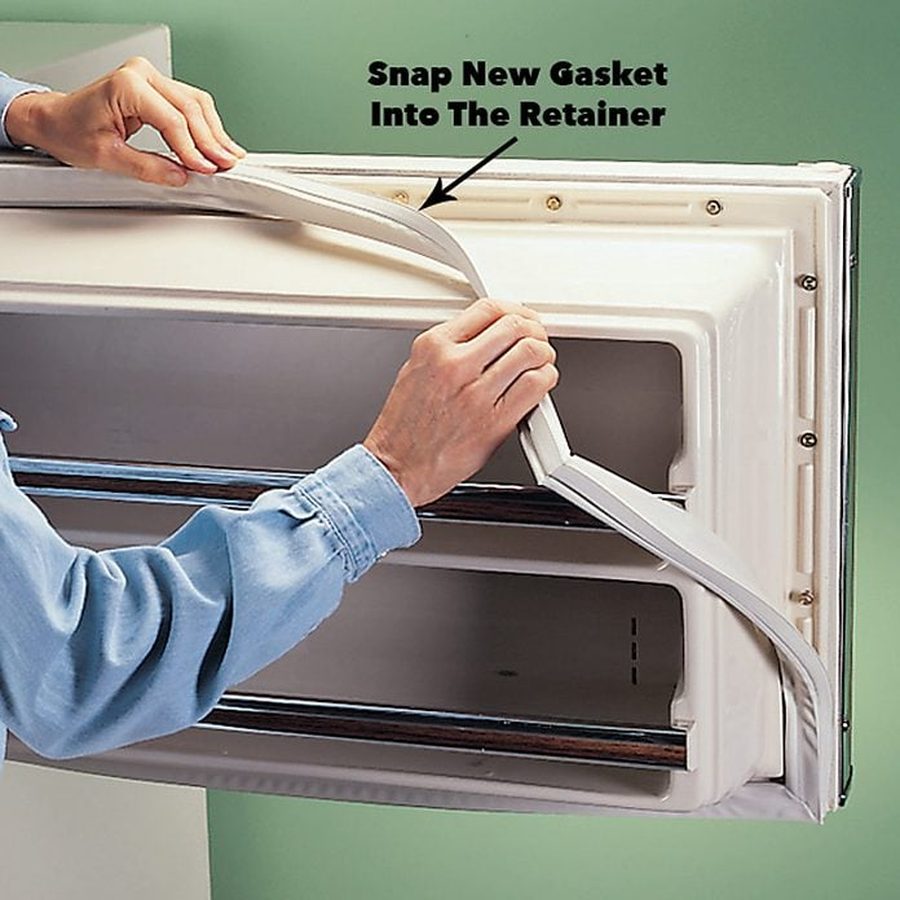
Replacement door gasket — the cheapest cooling fix there is
A tired gasket makes a healthy fridge behave like a broken one. Match the part to your exact model number and fit it in under an hour.
Check Price on Amazon →4. Is the control set correctly?
Accidental changes happen: a child, a cleaner, or a previous button press. Confirm the actual setting before anything else.
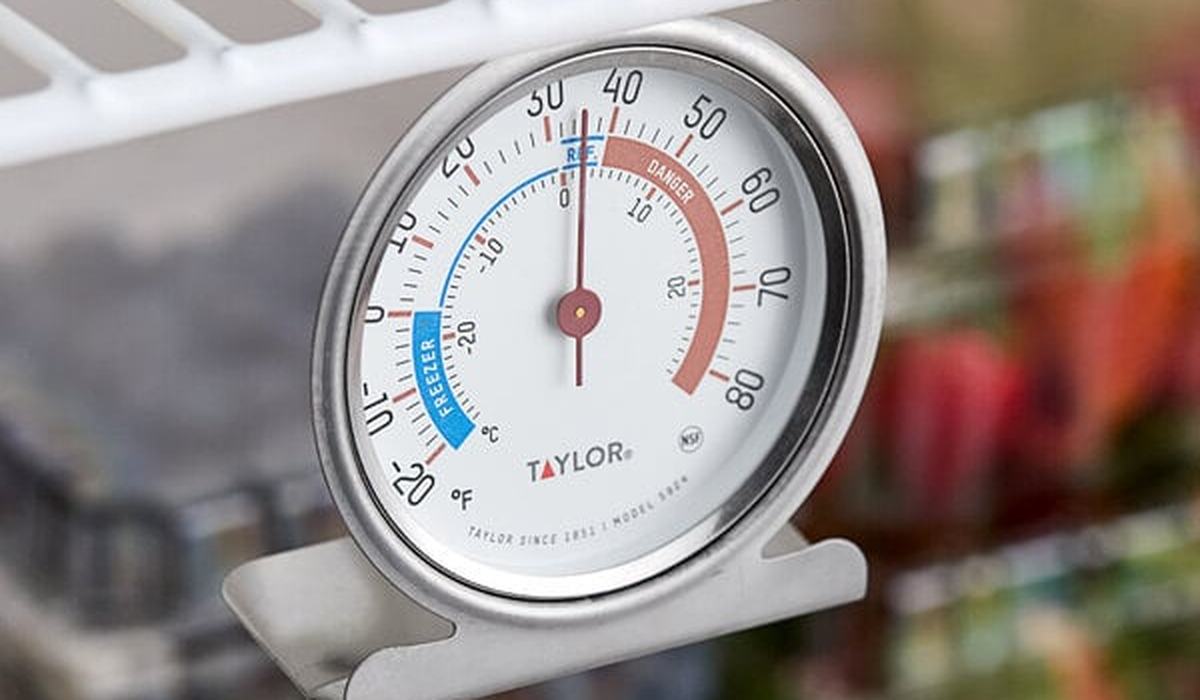
- Fridge: 3–4°C (37–40°F). Freezer: −18°C (0°F).
- Check for a “demo” or “showroom” mode on the control panel. Some models have one and it disables cooling entirely.
- Check the thermostat dial if it is a mechanical control — if someone turned it to the warmest setting, the fridge will run warm by design.
- Watch for a fault code. Modern fridges display a code when a sensor fails. Search that code plus your model number.
After any change — a coil clean, a door reseal, a thermostat adjustment — leave the fridge four hours before deciding whether it worked. Refrigerators recover slowly, and judging after twenty minutes leads people to replace units that were already fixed.
5. Is the evaporator fan failing?
The evaporator fan circulates cold air from the freezer into the fridge compartment. If it stops, the freezer may stay partly cold while the fridge goes warm — but on many models both compartments lose temperature.
- The test. Open the freezer door and listen. You should hear a fan. Press the door switch (the plunger that turns off the light) and the fan should be audible.
- If the fan is silent but the compressor runs, the fan motor or its wiring has failed, or ice has jammed the blade.
- Ice jamming is caused by a blocked defrost drain or a failed defrost heater — common on cheaper models.
- Replacement is a modest part cost and a genuinely DIY-able job on most top-freezer fridges.
6. Is the start relay or run capacitor bad?
The start relay gives the compressor a kick to get turning, then hands over to the run winding. A failed relay is the classic “click, nothing, click” failure: you hear a click, a brief hum, then another click as the overload trips.
The good news: the part is cheap — typically $10–$30 — and it is one of the most common refrigerator failures in every brand.
| Symptom | What it suggests | Test |
|---|---|---|
| Click, hum, click — compressor never runs | Start relay failed | Shake the relay: a rattle means it is broken |
| Compressor runs but will not start | Run capacitor weak | Multimeter capacitance test |
| Compressor tries and trips the breaker | Compressor or wiring fault | Stop — call a technician |
| Compressor hot and silent | Overload tripped or winding open | Resistance test on windings |
Unplug the fridge, pull the relay off the compressor terminal, and shake it. A healthy solid-state relay is silent. A broken one rattles because its internal disc has shattered. If it rattles, replace it — it is a $15 part and a five-minute job.
7. Is the compressor or sealed system gone?
If the compressor does not run, the relay is good, power is reaching it, and the coils are clean, you are likely into the sealed system: the compressor itself, a refrigerant leak, or a restriction in the capillary tube.
- Signs: compressor warm but not turning; no frost pattern on the evaporator; oily residue at a joint (a leak).
- Diagnosis requires gauges and a technician with a refrigerant licence. This is not a DIY repair.
- Cost context: sealed-system repair often runs $400–$800, which usually exceeds the value of a refrigerator more than eight years old.
- If the compressor is dead on a unit over 10 years old, replacement is usually the better financial decision.
Repair or replace?
| Situation | Typical cost | Recommendation |
|---|---|---|
| Blocked coils | $0 | Clean them. Always try this first. |
| Bad door gasket | $20–$45 | Repair — easy and high value |
| Failed evaporator fan | $30–$90 | Repair — common and manageable |
| Failed start relay | $10–$30 | Repair — cheapest real fix |
| Failed defrost heater or thermostat | $60–$180 | Repair if the unit is under 10 years old |
| Sealed system / compressor | $400–$800 | Usually replace instead |
| Any repair on a fridge over 12 years old | varies | Weigh against a new unit's efficiency |
Clean the coils, check the door seal, confirm the setting, and test the evaporator fan before spending anything. Those four steps resolve most cases and cost nothing. If you reach the start relay, the rattle test makes it obvious. If you reach the sealed system, get a quote and compare it honestly against a new unit.