A frost-free refrigerator cools the freezer compartment with the evaporator coil, then moves that cold air into the fresh-food compartment through a fan — the evaporator fan. When the fan slows or stops, the freezer keeps its temperature because it sits next to the cold coil, while the fridge compartment warms up.
That asymmetry is the giveaway, and it is different from the pattern a failed start relay produces. The fan is also a part that announces its failure with noise before it stops altogether.
- The freezer is normal but the fridge compartment is warm.
- A whining, grinding or scraping noise from the freezer that comes and goes.
- The fan noise disappears entirely when it should be running.
- Food in the fridge spoils while frozen items stay solid.
- The fridge compartment is warm near the top and colder lower down.
- Frost builds unevenly, or the fridge ices up in one area.
On this page
What the evaporator fan does
- It sits behind a cover in the freezer, next to the evaporator coil.
- It draws air across the cold coil and pushes it into the fresh-food compartment through a duct.
- It is controlled by the main board, often cycling with the compressor and the defrost timer.
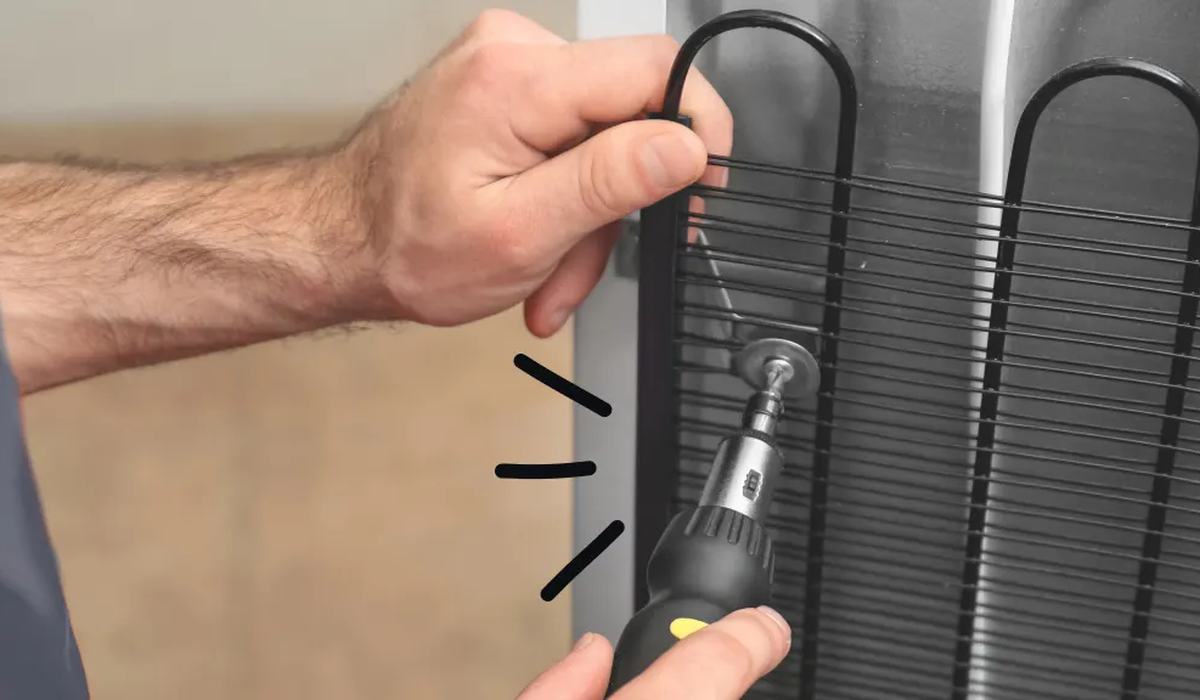
- Some fridges have a second fan (the condenser fan) at the back, cooling the condenser coil.
- Failures are usually bearing wear, which is why noise comes first and stopping comes later.
- Ice build-up around the blade can also stall it, which is a defrost fault rather than a fan fault.
Confirm it is the fan
| Symptom pattern | Most likely cause |
|---|---|
| Freezer normal, fridge warm | Evaporator fan or air duct blockage |
| Both compartments warm | Compressor, relay or sealed system |
| Noise from the freezer, fridge warm | Evaporator fan bearing |
| Icing around the fan blade | Defrost system fault |
| Fan runs but no airflow | Blocked duct or a broken blade |
| Fridge warm after defrost cycle only | Defrost heater or timer |
Open the freezer door and listen. A healthy evaporator fan is a soft, steady hum; you can often hear it change speed when the compressor cycles. A bearing failure is a distinct whine or scrape. If you hear nothing at all when the compressor is running, suspect the motor or its supply.
Testing the motor
- Unplug the refrigerator and remove the freezer contents.
- Remove the freezer's rear cover panel to expose the coil and the fan.
- Photograph the wiring at the fan connector.
- Disconnect the fan's plug from the harness.
- Measure resistance across the motor terminals with a multimeter set to ohms.
- A healthy motor shows a low but non-zero resistance. An open reading means the winding has failed.
- Spin the blade by hand. It should turn freely and silently; stiffness or grit means a worn bearing.
- Check for ice around the blade and the housing — clear it and retest before condemning the motor.
- Check for voltage at the connector with the fridge powered, if you are confident working live — absence points to the board, not the motor.
Other causes of the same symptom
- A blocked air duct between freezer and fridge — ice or debris stops the airflow the fan is meant to create.
- A failed defrost system, which lets ice build up and stall the blade. Replacing the fan alone will not fix this.
- A failed control board, which stops sending power to the fan.
- A broken or split fan blade, which turns but moves almost no air.
- An obstruction — packaging, a bag or ice pressing against the blade.
- A faulty door switch on models that stop the fan when the door opens.
Replacing the motor
- Order by model number — fan motors differ in shaft length, speed and connector type.
- Unplug the fridge and photograph everything.
- Remove the freezer rear panel and any ducting in front of the fan.
- Disconnect the fan connector and free the wiring from its clips.
- Remove the mounting screws holding the motor bracket.
- Withdraw the motor and blade assembly. Note how the blade sits on the shaft before separating them.
- Transfer the blade to the new motor at the same depth and orientation.
- Fit the new motor, reconnect the harness and secure the wiring in the original clips.
- Refit the panel and any ducting, checking nothing traps the wiring.
- Power up and confirm airflow before reloading the freezer.
A fan blade that is not pushed fully onto the shaft will slip, make noise, and eventually work its way off and jam. Push it on to the same depth as the old one, and check there is no end-float before reassembling the freezer.
After fitting
- Listen for a steady hum with no whine, scrape or rattle.
- Feel for airflow at the fridge-side vent within a minute or two.
- Give it four to six hours and check the fresh-food compartment temperature with a thermometer.
- Watch for icing in the first week. If ice reappears around the fan, the defrost system is the real fault.
- If airflow is weak but the fan runs, check the duct between compartments for a blockage.
- If the fridge stays warm with the fan running, the fault is elsewhere — measure the compressor and check the sealed system.

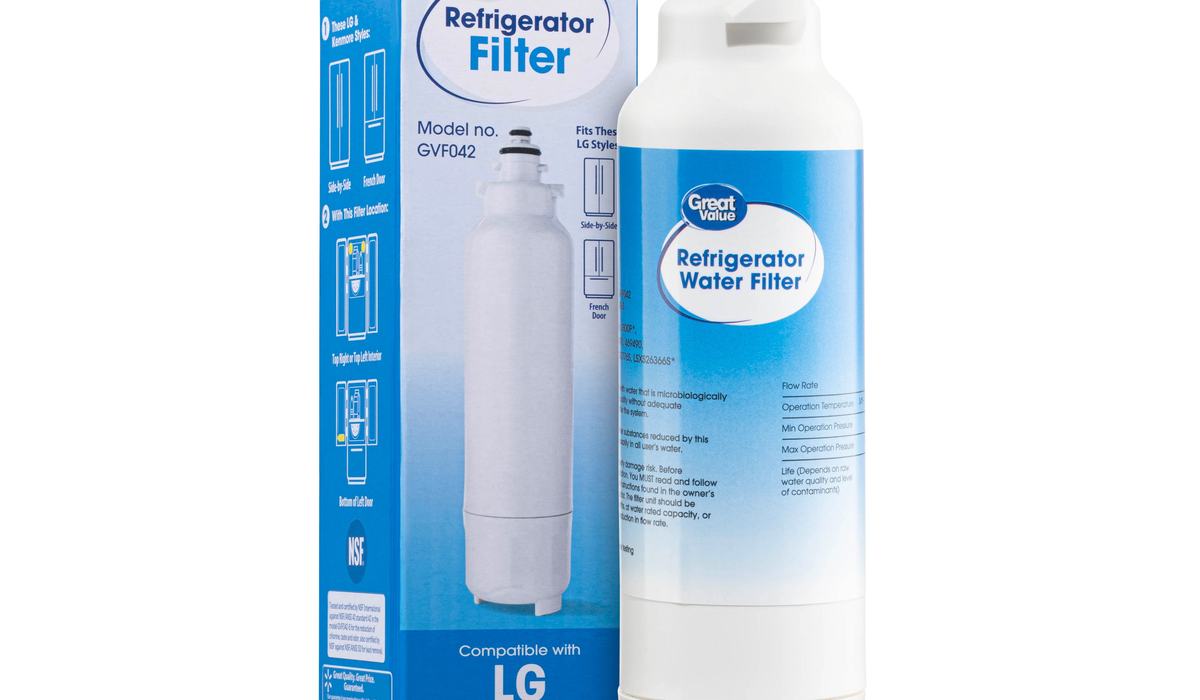
Evaporator fan motor — match the model number
Order by fridge model. Transfer the blade to the new motor at the same depth, and check the defrost system while you have the panel off.
Check Price on Amazon →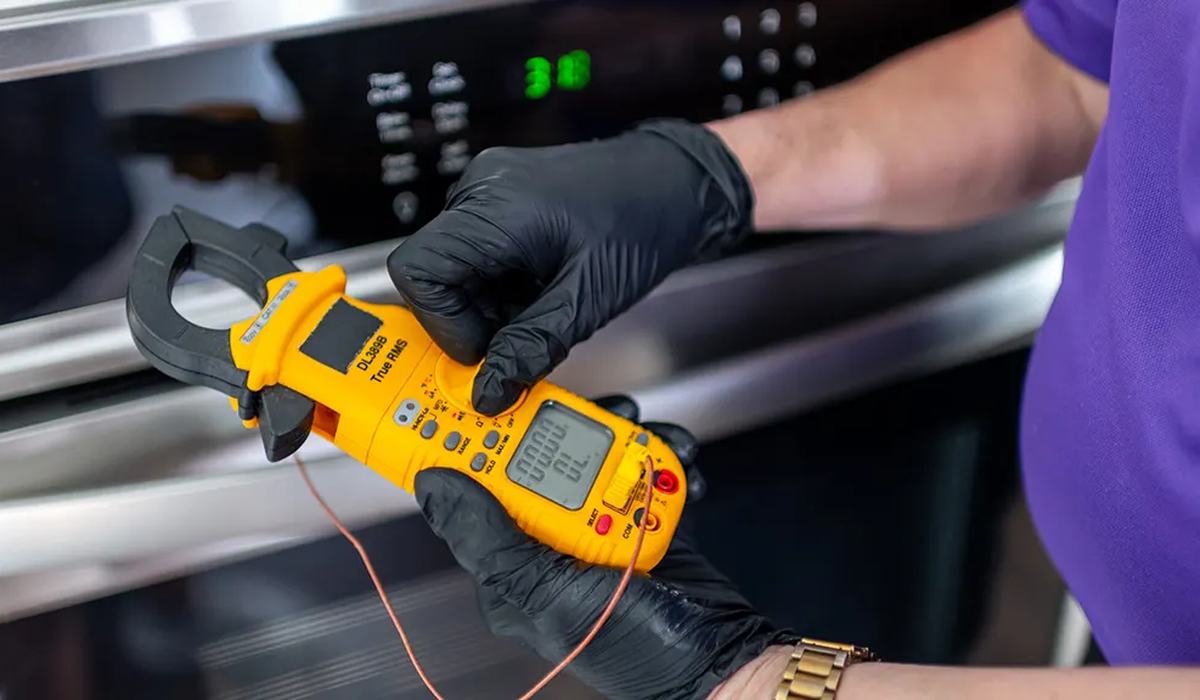
A multimeter — test before you buy
An open winding confirms the motor. A good winding with no voltage points to the board, which is a different part entirely.
Check Price on Amazon →Freezer fine with a warm fridge and a whining or silent freezer fan points to the evaporator fan motor. Test the winding, check for ice around the blade, then fit the exact model motor and transfer the blade at the same depth. If the fridge still ices up afterwards, the defrost system is the real fault.
Frequently asked questions
Evaporator fan and condenser fan
| Fan | Location | Failure symptom |
|---|---|---|
| Evaporator fan | Inside the freezer, behind the panel | Fridge warm, freezer normal |
| Condenser fan | At the back, beside the compressor | Both compartments warm; unit hot |
| Both | Separate motors | Fridge warm and unit running hot |
| Condenser coil dirty | Back or bottom | Same as a failed condenser fan |
The two fans look similar and fail similarly, but they produce different symptoms, and confusing them sends you to the wrong end of the appliance. The evaporator fan is inside, moving cold air from the freezer to the fridge; the condenser fan is at the back, cooling the hot condenser coil. When the condenser fan fails, the compressor runs hot and both compartments slowly warm.
Both failures usually announce themselves with noise. Bearing wear produces a whine or scrape before the fan stops, and if you catch it at that stage the replacement is straightforward and nothing else has been damaged.