If you have allergies, the vacuum is either your best tool or your worst enemy. A vacuum with poor filtration picks up dust and then exhausts the fine particles straight back into the air, where you breathe them. A vacuum with true HEPA filtration and a sealed system captures them instead.
This guide explains the two specs that matter — HEPA filtration and a sealed system — and five vacuums that deliver both.
- Must-have: true HEPA filtration (captures 99.97% at 0.3 microns).
- Equally important: a sealed system, so air cannot leak around the filter.
- Best overall: a canister vacuum with a sealed HEPA system.
- Best cordless: a stick vacuum with HEPA and a sealed bin.
- Avoid: bagless vacuums with thin foam filters — they leak fine dust.
On this page
Filtration and the sealed system
HEPA filtration is the headline spec, but the sealed system is the one most buyers miss. A vacuum can have a HEPA filter and still leak dust if the air path is not sealed — air finds the gaps around the filter and escapes unfiltered. A sealed system means every bit of air that enters the vacuum passes through the filter before it exits.
| Spec | What it does | Why it matters for allergies |
|---|---|---|
| HEPA filter | Captures 99.97% at 0.3 microns | Traps the particles you react to |
| Sealed system | No air leaks around the filter | Stops unfiltered dust escaping |
| Bagged or sealed bin | Contains dust on emptying | Prevents a dust cloud |
| HEPA exhaust | Filters air leaving the vacuum | Protects the room air |
The specs that matter
| Spec | Target | Why |
|---|---|---|
| Filtration | True HEPA | Captures allergens |
| Sealed system | Yes | No leakage |
| Dust containment | Bag or sealed bin | No dust cloud on emptying |
| Weight | Under 10 lb | Usable in a small apartment |
| Cordless runtime | 30+ min | Enough for a full clean |
| Attachments | Upholstery + crevice | Beds and sofas hold allergens |
Emptying a bagless bin releases a cloud of fine dust — exactly the particles you are allergic to. A bagged vacuum or a sealed-bin system contains the dust until you dispose of it.
The 5 best picks
| Model | Type | Filtration | Sealed | Approx price |
|---|---|---|---|---|
| Miele Complete C3 | Canister | HEPA | Yes | ~$400 |
| Dyson V15 Detect | Cordless stick | HEPA | Yes | ~$700 |
| Shark Navigator | Upright | HEPA | Yes | ~$200 |
| Bissell Cleanview | Upright | HEPA | Partial | ~$120 |
| Tineco Pure One S11 | Cordless stick | HEPA | Yes | ~$250 |
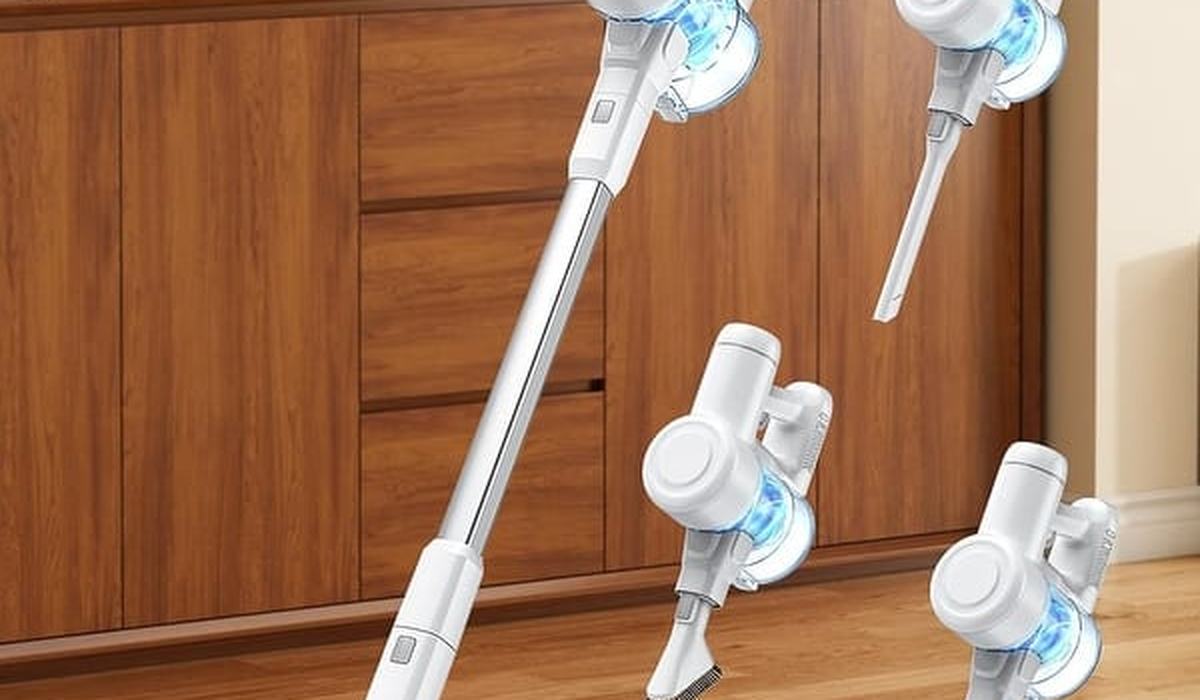
Miele Complete C3 — best overall for allergies
A genuinely sealed HEPA system with a bag that contains dust completely. The gold standard for allergy sufferers, and it lasts for years.
Check Price on Amazon →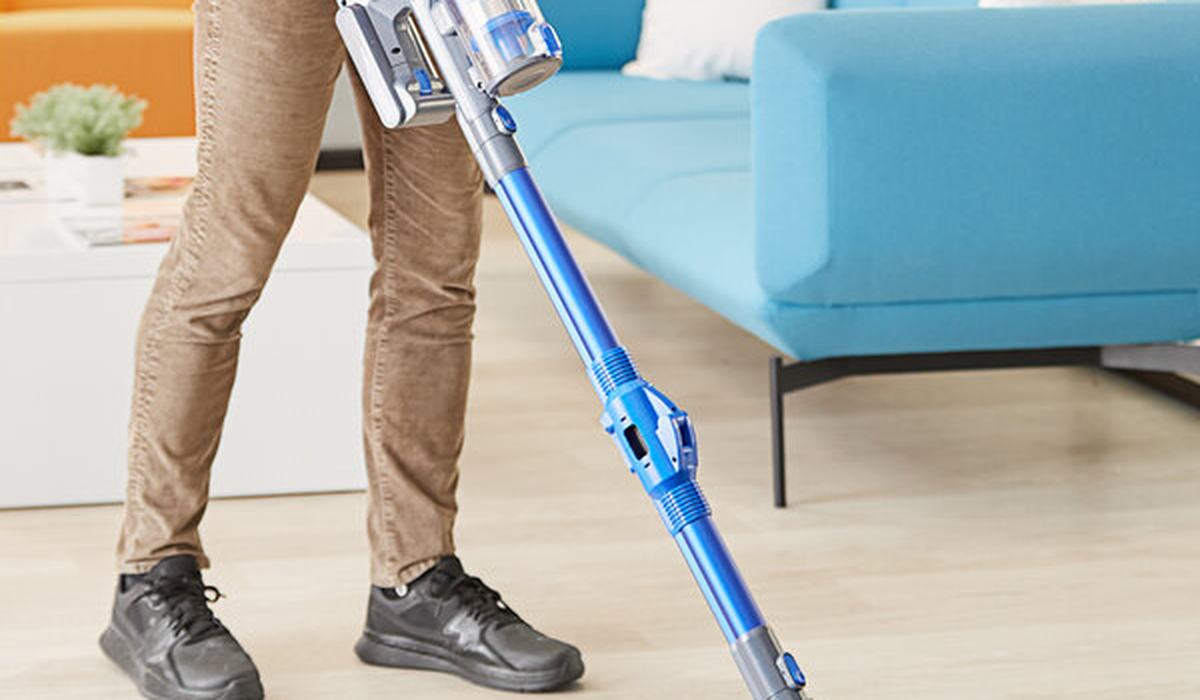
Tineco Pure One S11 — best cordless for allergies
Cordless convenience with real HEPA filtration and a sealed bin. The right pick if you want to vacuum daily without dragging a cord around.
Check Price on Amazon →Shark Navigator — best budget upright
A HEPA upright with a sealed system at a mid-range price. The lift-away canister makes stairs and upholstery easy.
Check Price on Amazon →An allergy vacuum routine
- Vacuum twice a week if you have pets or carpet.
- Use the upholstery tool on the bed — mattresses hold dust mite allergen.
- Vacuum slowly. Fast passes leave allergen behind; slow passes let the suction work.
- Empty or change the bag outdoors to avoid releasing dust inside.
- Replace HEPA filters on schedule — a loaded filter loses suction and filtration.
- Pair with an air purifier to catch what vacuuming stirs up.
For allergies, buy a vacuum with true HEPA filtration and a sealed system, and prefer a bagged or sealed-bin design. Vacuum twice a week, use the upholstery tool on beds, and change filters on schedule.