Every experienced DIY appliance repairer has a shelf of parts that did not fit. The difference between a minor annoyance and a costly one is not the mistake itself but the terms you bought under: the return window, the restocking fee, and whether the part was electrical.
Appliance parts retail has a set of rules that surprise first-time buyers, and they are rarely obvious at the point of sale. Understanding them before you order changes both where you buy and how much risk you are carrying.
Return windows, compared
| Where you bought | Typical window | Restocking fee | Electrical parts |
|---|---|---|---|
| Large general retailer | 30–90 days | None | Usually returnable |
| Appliance parts specialist | 30 days | 10–20% | Often non-returnable |
| Marketplace seller | 30 days | Varies | Frequently non-returnable |
| Manufacturer direct | 30 days | 15% common | Usually non-returnable |
| Auction / used part | None | — | Sold as-is |
The pattern is consistent: the more specialised the seller, the shorter the window and the more likely a restocking fee. A general retailer will take back a control board within a month with no questions; a parts specialist may refuse it entirely because it cannot verify the board was never energised.
That asymmetry matters when you are diagnosing rather than replacing. If you are not certain which of two parts has failed, buying from a retailer with a generous return policy costs slightly more up front and saves the whole price of the wrong guess.
Why electrical parts are excluded
| Part type | Returnable? | Reason given |
|---|---|---|
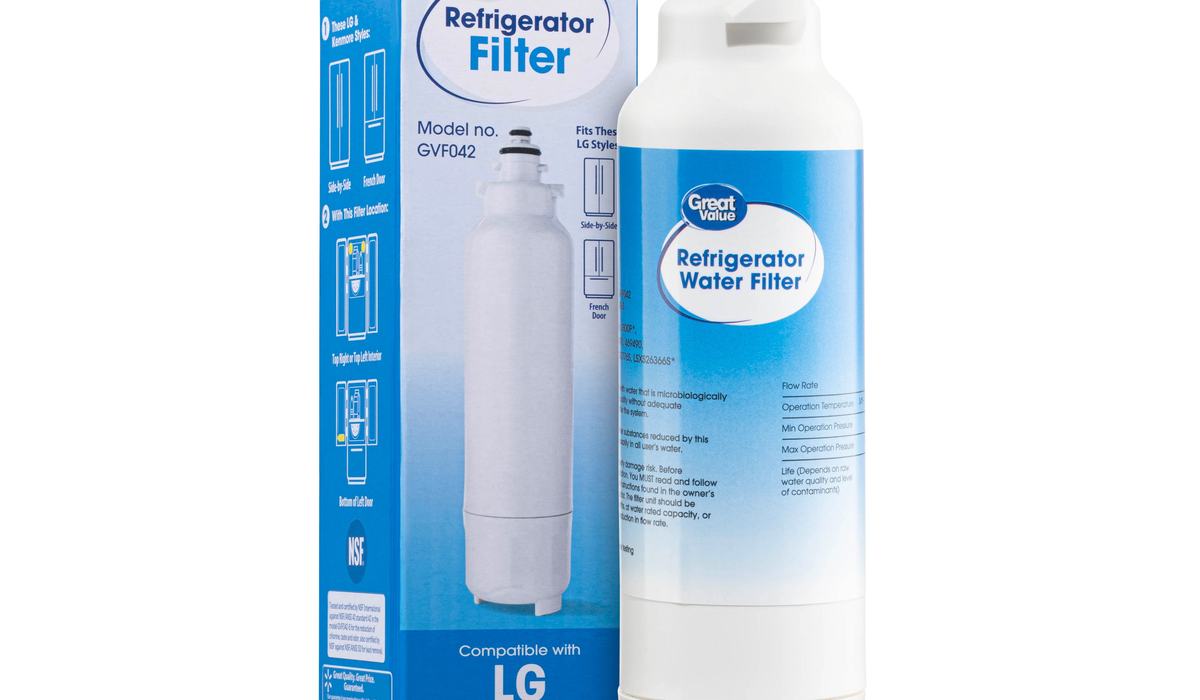
| Filters, gaskets, hoses | Yes | No electrical risk |
| Shelves, drawers, bins | Yes | Mechanical only |
| Fans, valves, relays | Sometimes | May be tested by buyer |
| Control boards | Rarely | Cannot verify never energised |
| Motors and compressors | Rarely | Cannot verify installation |
| Sensors and thermistors | Sometimes | Cheap enough to write off |
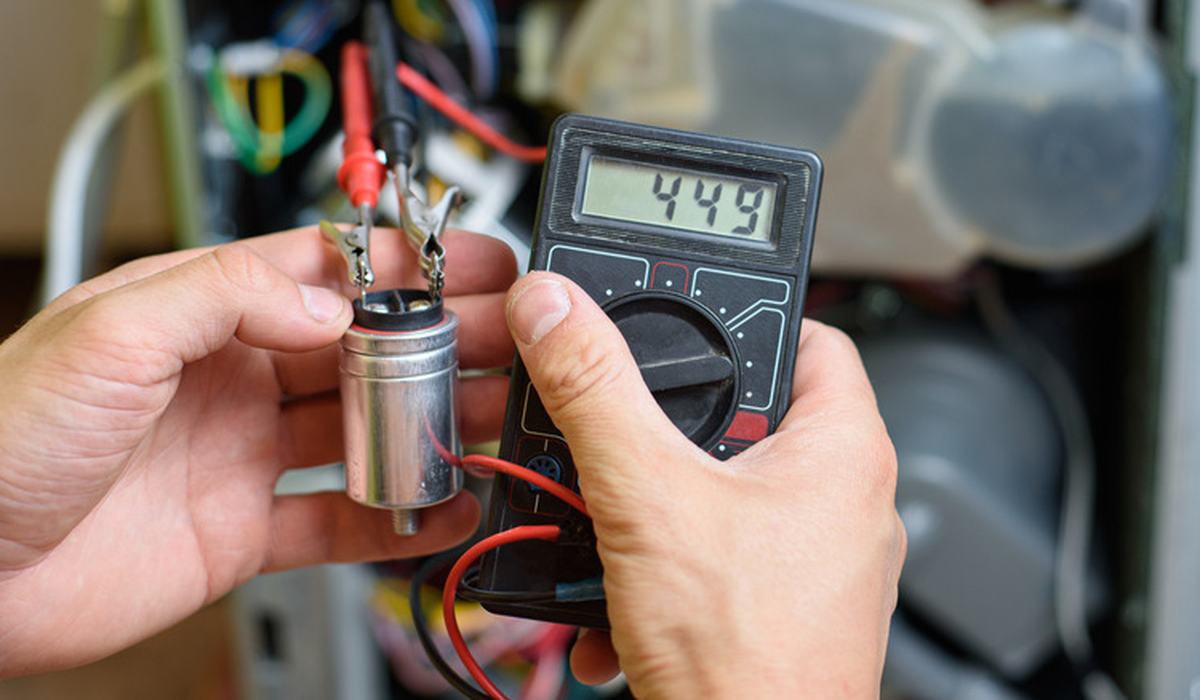
The exclusion exists because a control board that has been powered up and then returned cannot be resold as new, and the seller has no way to tell whether the board failed on its own or was damaged by the appliance it was fitted to. Many sellers therefore treat every electronic return as a warranty claim rather than a return, which means you get a replacement, not your money back.
For any electronic part, assume the money is spent once you fit it. Diagnose before you order, and if you are guessing between two candidates, start with the cheaper mechanical part.
Core charges and exchanges
| Term | What it means | How to avoid losing money |
|---|---|---|
| Core charge | A deposit refunded when the old part is returned | Keep the old part until the credit clears |
| Exchange only | No refund, replacement only | Confirm it is the right part first |
| Bench test | Seller tests the return before refunding | Allow extra weeks |
| Special order | Made or sourced to order | Usually non-cancellable |
Core charges are common on compressors and some motors, and they are easy to lose. The deposit is only refunded when the original part goes back, and returning it costs shipping. If you discard the old compressor with the packaging, you have donated the core charge to the seller.
Special-order parts are the other trap. If a part is sourced specifically for you, it frequently cannot be cancelled even before it ships. Confirm the model number from the appliance plate and check the part is genuinely for your model before committing to a special order.
Check Price on Amazon →Checking a part will fit before you order
| Check | Why it matters |
|---|---|
| Full model number | Family names cover dozens of variants |
| Serial number range | Mid-year revisions change parts |
| Photo comparison | Screw holes and connector count matter |
| Part number on the old part | The most reliable identifier of all |
| Return terms | Decides the cost of being wrong |
The single most reliable identifier is the number moulded or printed on the failed part itself. If you can read it, you can order with near certainty. If you cannot, the appliance plate is the next best source, and you should use the full model number rather than a simplified family name.
Take three photographs of the failed part: the part number, the connector, and the mounting holes. Sellers and compatibility charts can usually confirm a match from those three, and it costs nothing.
A listing that names no specific model is a gamble, and the return shipping is usually yours. On a part over about $40, wait for a listing that names your model explicitly or states the dimensions.
Frequently asked questions
Keeping a repair record that helps later
Repair records exist for three reasons: proving a warranty claim, avoiding a repeat purchase of the same part, and remembering what you already ruled out. A note on the phone is enough if it captures the right details.
| Record this | Why | Where to keep it |
|---|---|---|
| Model and serial number | Identifies every future part | Photo of the data plate |
| Part number fitted | Stops ordering the same wrong part | Note with the date |
| Purchase receipt | Needed for any warranty claim | Email folder |
| Return window end date | Decides whether you can still send it back | Calendar reminder |
| Symptom before and after | Tells you if the fix worked | Note with the date |
A photograph of the appliance data plate, taken once and kept in a phone album, saves more time over the life of the appliance than almost any other habit. When a part fails two years later, the model and serial are already in front of you, and you can order with certainty rather than guessing from a family name.
Keep the receipt in an email folder rather than a drawer. Warranty claims are almost always made weeks after the purchase, when a paper receipt has moved, and a searchable email survives the interval intact.
The day your part arrives, put the return deadline in your calendar with the part number. It costs ten seconds and is the difference between a refund and a shelf ornament.
The buying rules, in short
| Rule | Practical effect |
|---|---|
| Assume electronic parts are non-returnable | Diagnose before you order |
| Prefer sellers with a 30+ day window | Cheap insurance on an uncertain diagnosis |
| Photograph the part number first | Removes most wrong-part risk |
| Return cores or forfeit the deposit | Return within the stated window |
| Confirm before a special order | Special orders often cannot be cancelled |
None of these rules is complicated, and together they turn a part that does not fit from an expensive mistake into a minor delay. The discipline is simply to read the terms before buying rather than after the box arrives.